
Things to Do in Mongolia in September: Fall Colors & Eagle Festivals
The best things to do in September in Mongolia. Average weather temperatures in each region, what to do when you visit, and more.
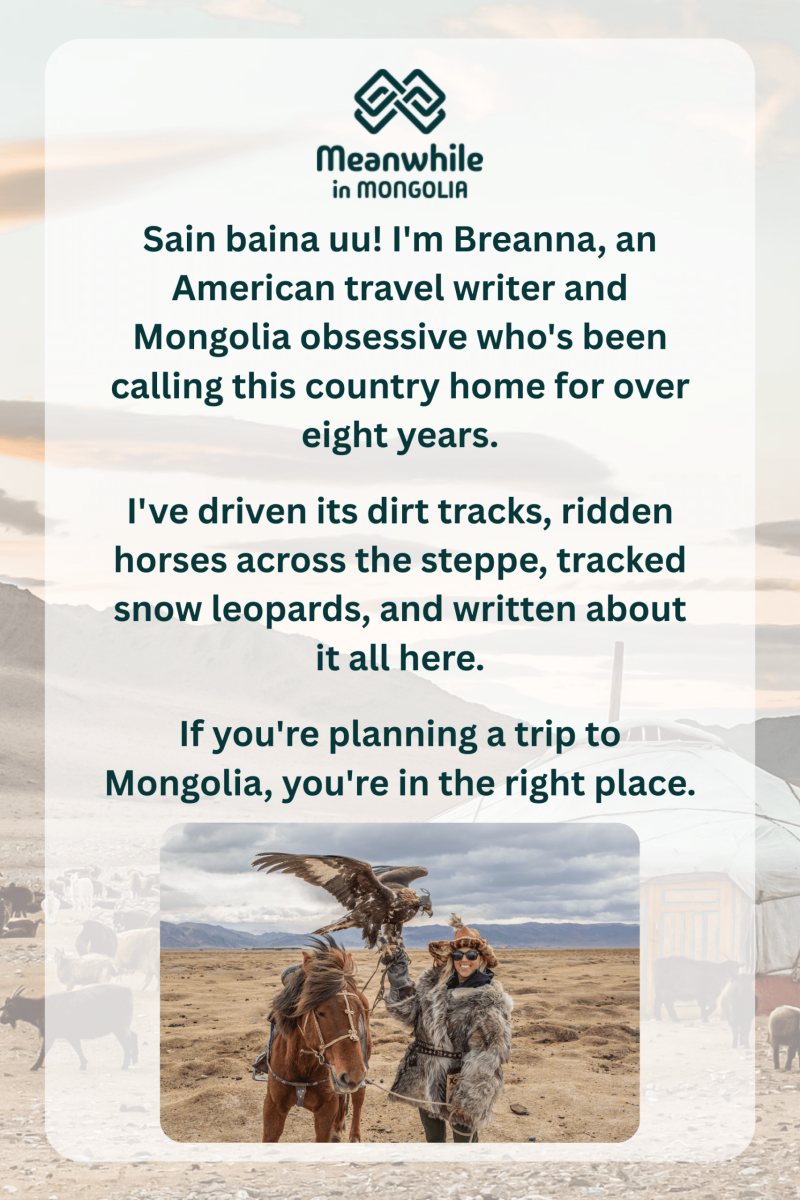
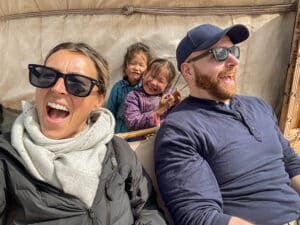
It’s no secret September is my favorite month in Mongolia.
The leaves are changing, the countryside landscape turns a beautiful golden hue, and the temperatures are perfect. Warm days lead into crisp nights where my Mongolian cashmere ensures I stay warm and cozy throughout the evening.
Not to mention, the crowds really drop off and you’re no longer dealing with high tourist season hotel rates and premium guide fees.
For these reasons, September is one of my favorite times to travel around Mongolia, and it should be yours too.
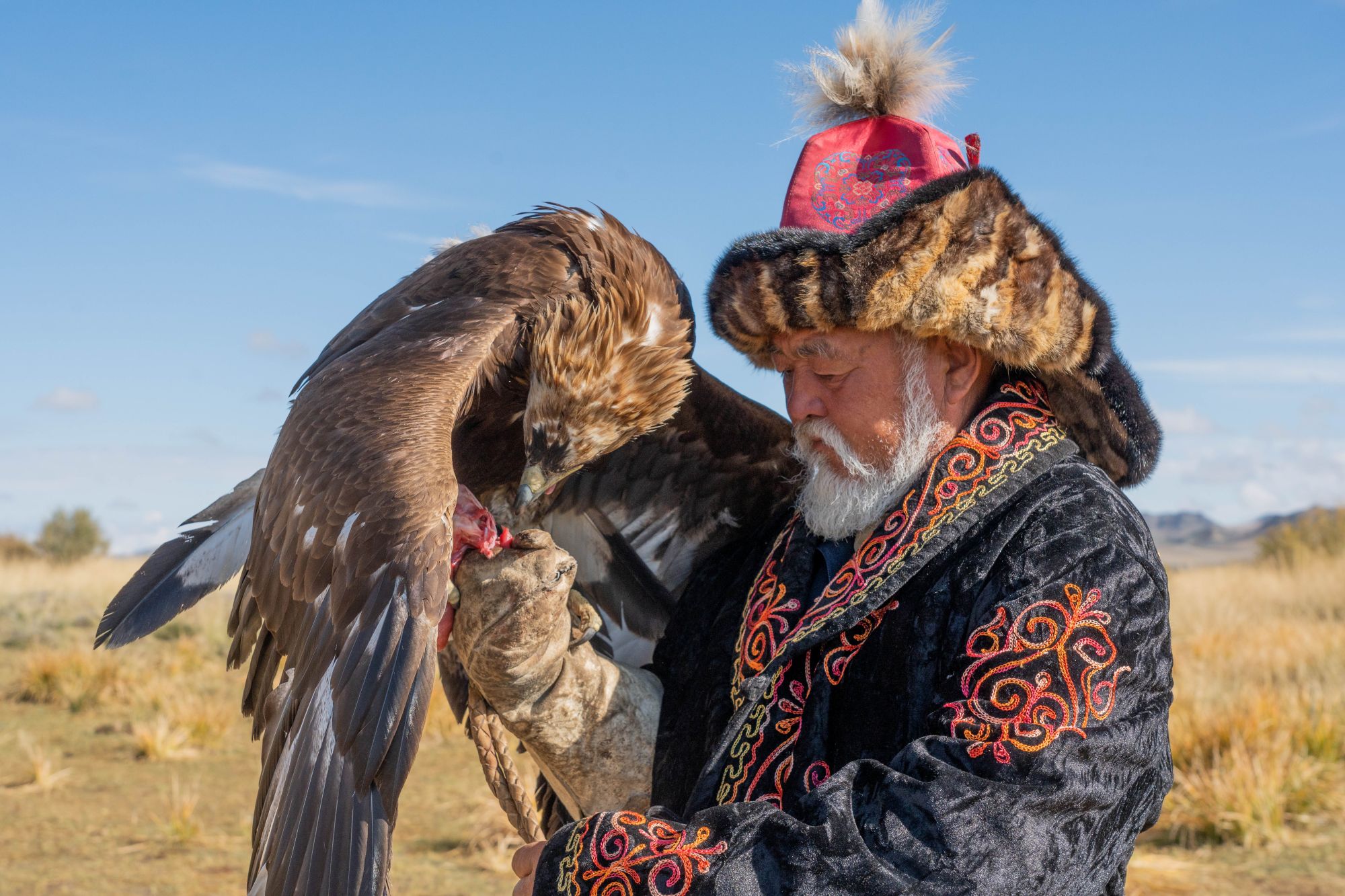
September is also when the famous Eagle Hunters start training their prized Golden Eagles for the upcoming winter hunting season and smaller, more local Eagle festivals begin. While most people travel to Mongolia for the Golden Eagle Festival, I prefer the small festivals that happen throughout September. With these smaller festivals there are less crowds, more domestic flight options, and still spectacular weather in the west.
In the northern part of the country, near Lake Khovsgol, the Red Taiga earns it’s name for the brilliant red hues that color the area.
Back in the capital, Ulaanbaatar is also a great place to be in September. During the month the capital shines with an array of interesting festivals and events, from Oktoberfest to book fairs and the last outdoor concerts of the year. School starts on September 1 which does always see an increase in traffic in the city, but if you plan ahead it’s nothing to worry about.
My point is, don’t rule out September as one of the best times to visit Mongolia!
Table of Contents
The End of Peak Tourist Season
There are however a few important things to know about visiting Mongolia in September.
First, most ger camps start to close in September. Since ger camps aren’t built with the infrastructure to handle winter weather, and the winter off season doesn’t attract many travelers, most tourist camps completely close down for the winter.
For anyone thinking of entering the country at that time, that means you’ll have limited places to stay. If you plan to book a tour, be sure to ask the tour company what adjustments they will need to make to your itinerary for this reason.
Because of ger camps closing for the winter, one place I don’t recommend traveling to at this time is the Gobi Desert. Most Gobi Desert routes are designed to take advantage of the ger camps and homestays that are available in the warm, summer months from June to August. Come September, when temperatures drop and people move to their fall camps, accommodation options become much more limited.
Second, the fall season is when nomadic families need to spend time preparing for winter. This is an extremely important time for them.
This time is used for collecting hay, moving the family and herds to their fall camp, and really fattening up their animals for the long winter ahead. Men are particularly busy at this time, going to harvest hay, usually somewhere far away from where they live, to store for the impending harsh winter months.
Since families are busy preparing for winter during these months, they don’t always have time to invite in tourists and be gracious hosts. With the men gone and the women taking care of the house, it’s a lot to ask to be invited in as a guest. Especially considering that Mongolians pride themselves on their hospitality. That being said, if you can genuinely be helpful and don’t mind hours of hard work during your vacation, this is an incredible time to come help the families and get to know them that way.
Finally, kids are back in school starting September 1. If you are able to arrange a homestay to visit and spend time with a nomadic family, it will most likely only be the parents and elders who are around. Children go to school in the town nearest to their camps, staying overnight there like a boarding school. If the family lives near the town, it’s possible the kids will visit on the weekend, but not guaranteed.
All that being said, Mongolia is still a great place to visit in September. Just remember these things and you can still plan a great itinerary.
What is the Weather Like in Mongolia in September
The average weather forecast for September is usually still pleasant. Mornings and afternoons are enjoyable with a light jacket and beanie. Nights, however, are cold and will require a woodfired stove and heating. If you’re staying in a ger, make sure you have plenty of wood, coal (burns the longest, hottest), or dried dung (burns the fastest) to keep you warm throughout the night.
You can still tent and wild camp in September, but you should have a very warm sleeping bag.
Temperatures at the beginning of the month will be drastically different from temperatures at the end of the month. Also keep in mind that each region, north, south, east, and west, will all have different temperatures.
Ulaanbaatar September Weather
In September, Ulaanbaatar cools briskly into autumn, with daytime highs starting around 15–18°C early in the month and dropping to 8–12°C by month’s end. Nights turn cold fast, falling to around 0–3°C and dipping below freezing by late September, as the city’s high elevation and valley location make for sharp day-night contrasts and chilly early mornings.
The September monthly average for Ulaanbaatar sits at roughly 7–9°C, making it one of the last comfortable months before the long winter sets in. Precipitation is modest at around 20–30 mm for the month, so days are often sunny and crisp. Early September offers pleasant sightseeing weather with golden autumn colors arriving in the surrounding hills, though a warm jacket is essential for evenings throughout the month.
Northern Mongolia September Weather
In September, northern Mongolia shifts rapidly into autumn, with daytime highs starting around 12–16°C early in the month and dropping to 5–10°C by month’s end. Expect nights to regularly fall to freezing or a few degrees below, bringing frost and occasional light snow, particularly at higher elevations near Khovsgol and the Russian border where conditions are colder overall.
The September monthly average for northern Mongolia sits roughly between 4 and 8°C depending on location and altitude. Luckily, the weather stays quite dry, with only about 20–30 mm of precipitation, making early September the mildest and most pleasant window, though below-freezing nights should be expected throughout.
Southern Mongolia September Weather
In September, southern Mongolia and the Gobi Desert enjoy a gentler slide into autumn, with daytime highs starting around 20–25°C early in the month and easing to 13–18°C by month’s end. Expect nights to cool sharply, dropping to around 3–8°C and occasionally approaching freezing late in the month, as the desert’s large day-night temperature swings become especially pronounced in autumn.
The September monthly average for southern Mongolia sits roughly between 10 and 14°C depending on location and elevation. Rainfall is minimal, with typically under 10–15 mm for the month, making September one of the best times to visit the Gobi thanks to warm, dry, and sunny days without the extreme heat of summer. Though, wearing a warm layer is essential once the sun goes down.
Eastern Mongolia September Weather
In September, eastern Mongolia’s vast steppe cools steadily into autumn, with daytime highs starting around 16–20°C early in the month and falling to 8–13°C by month’s end. Expect nights to turn cold quickly, dropping to around 0–5°C and bringing the season’s first frosts by mid-to-late September. With the open grasslands around Choibalsan and Öndörkhaan often swept by brisk winds, be prepared for it to feel even cooler.
The September monthly average for eastern Mongolia sits roughly between 7 and 11°C depending on location. Precipitation stays light, generally around 15–25 mm for the month, making early September a fine time to experience the endless golden steppe. Mild, dry days are ideal for exploring, though warm evening layers are a must as temperatures slide toward freezing after dark.
Western Mongolia September Weather
In September, western Mongolia’s high-altitude terrain turns to autumn faster than anywhere else in the country. In the west, daytime highs starting around 12–17°C in the valleys early in the month and dropping to 5–10°C by month’s end. Travelers should be prepared for nights to fall below freezing regularly, often reaching −3 to −7°C, with frost, snow flurries, and wintry conditions arriving early in the Altai Mountains. Higher elevated areas around Bayan-Olgii and Khovd can see snow at any time.
The September monthly average for western Mongolia sits roughly between 3 and 7°C depending heavily on altitude, with mountain areas being considerably colder. Precipitation remains low at around 10–20 mm for the month, making early September the best window for visiting. Crisp, clear days are perfect for trekking and catching the golden larch season, though genuinely cold nights mean warm gear is essential throughout.

What to do in Mongolia in September
Like I mentioned above, I absolutely love Mongolia in September.
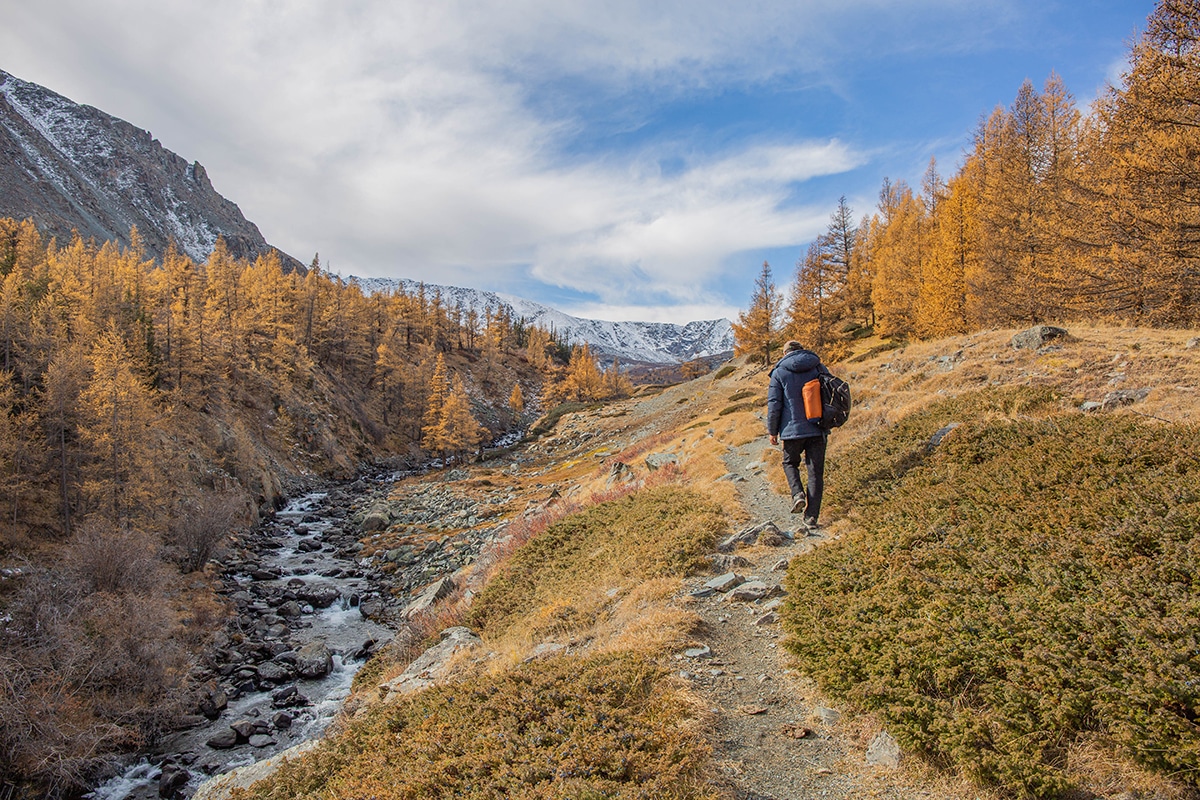
As Mongolia changes from summer to fall, shorter days lead to peak fall foliage adventures. The color shift from green to golden is quick, peaking around September 15 in most places. If you want to experience Mongolia’s magnificent fall colors, this is the time to plan your visit for. By the end of September the trees will quickly change from a spectacular yellow, orange, and red to barren and brown. Be sure to plan your travels around this time wisely!
The best regions to visit to experience Mongolia’s vibrant fall colors are Gorkhi-Terelj National Park, as well as the Red Taiga in the north.
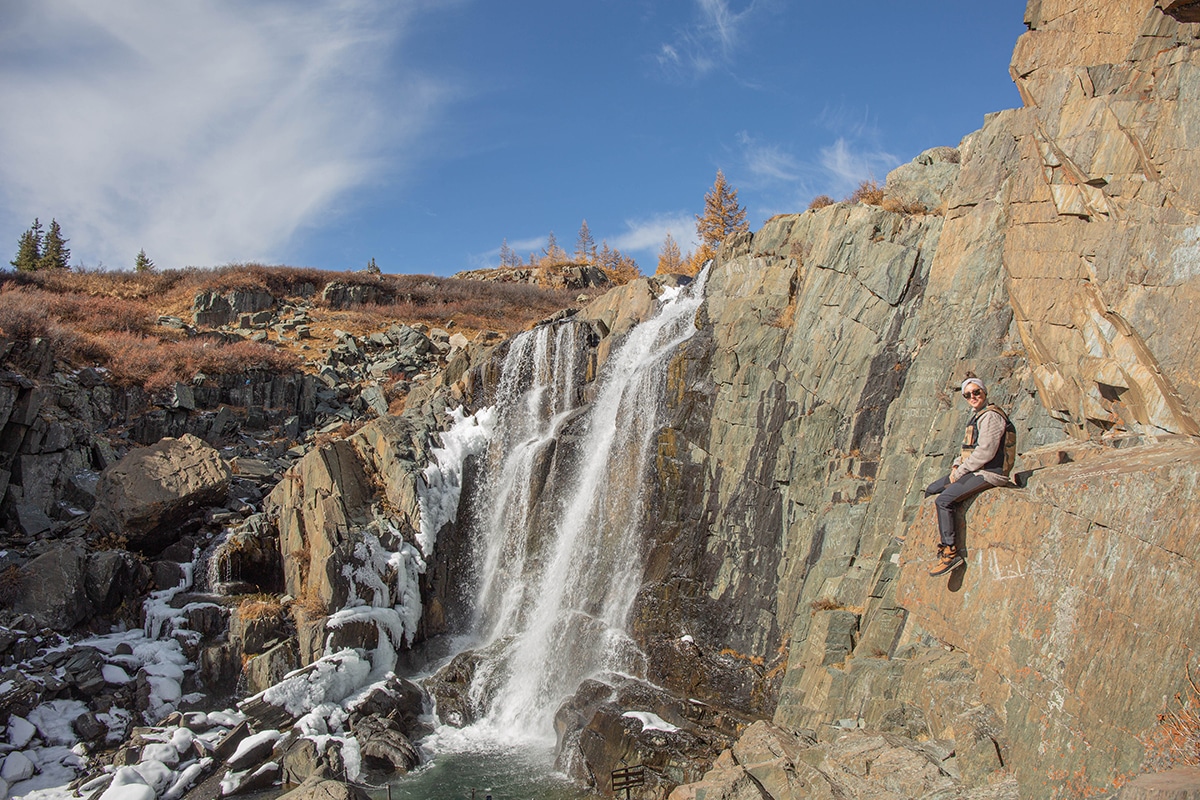
The Altai Mountains, especially around Baga Turgen Waterfall in Turgen Uul Valley (pictured below), are also stunning this time of year.
1. Local Eagle Festivals
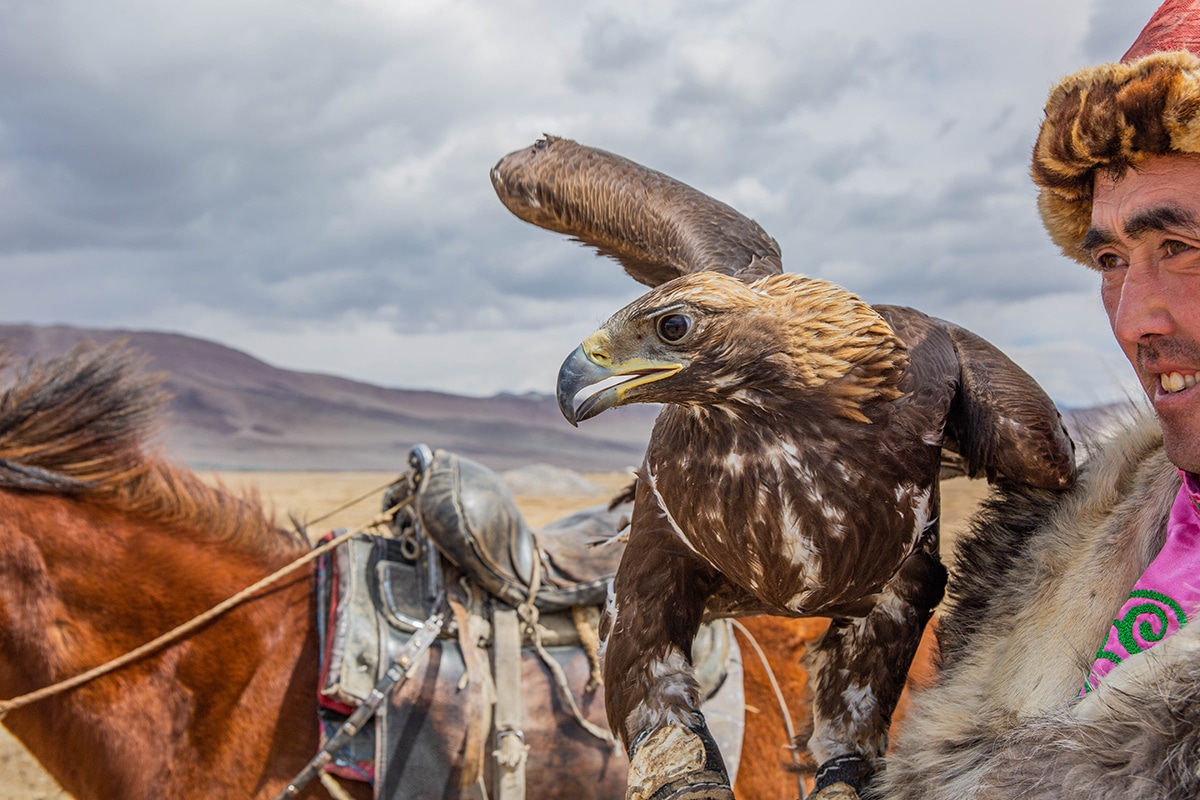
Throughout September, smaller Eagle Festivals take place throughout Bayan-Olgii Province. These festivals have less Eagle Hunters, but are equally as exciting. With less competitors the competitions move a lot faster, and they can be a lot more exciting. The Altansugt Eagle Festival is one of my personal favorites because the town the festival is named after is famous for having a high concentration of prized Eagle Hunters.
The dates for these smaller Eagle Festivals are usually:
- Altai Eagle Festival (September 13 – 14)
- Sagsai Eagle Festival (September 17 – 18)
- Tolbo Lake Eagle Festival (September 20 – 21)
- Altansugts Eagle Festival (last weekend in September)
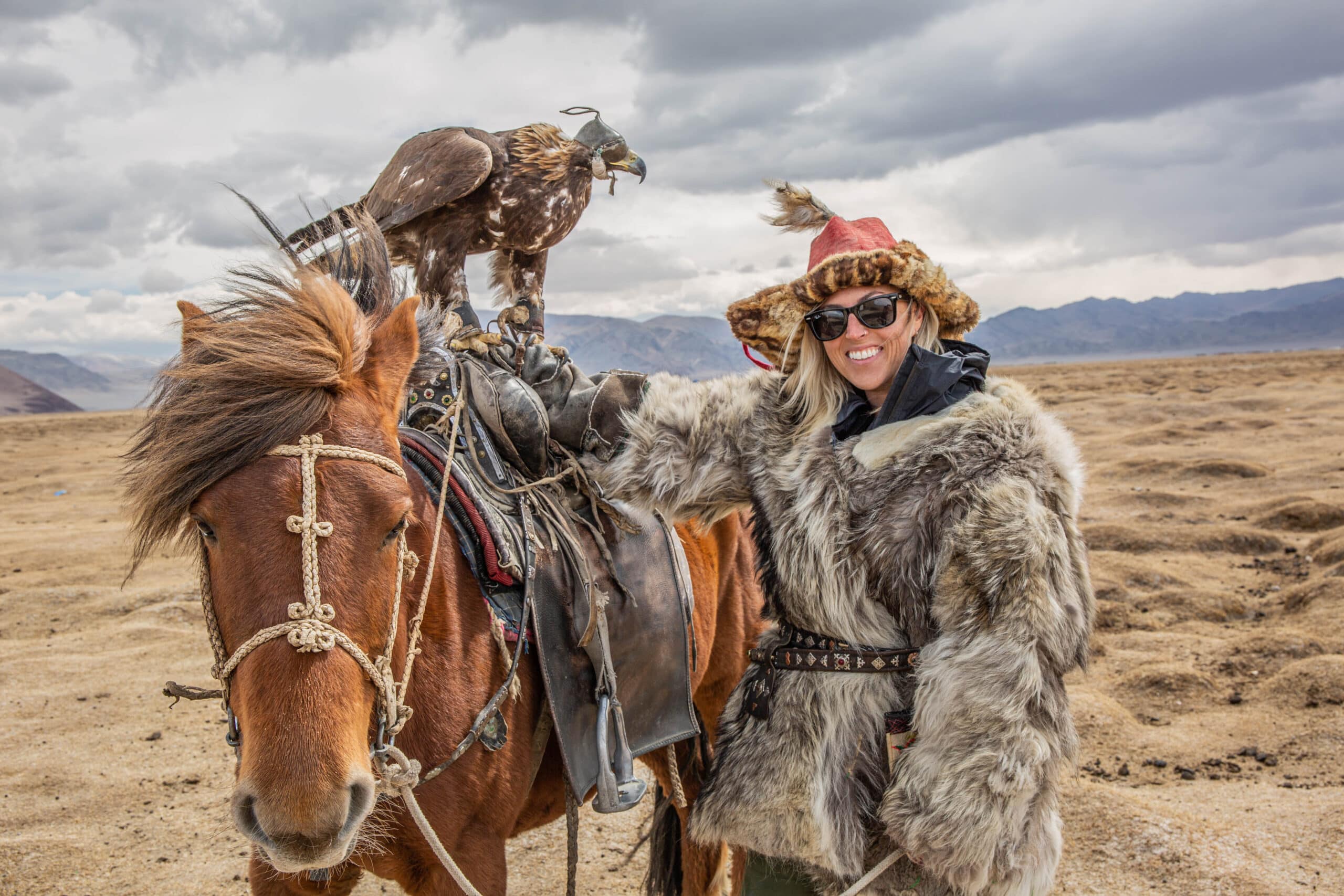
If you choose to visit outside of the festivals to avoid the crowds completely, this is still the best time of year to visit the Eagle Hunters. Book a tour where you can stay with an Eagle Hunter family to learn about this centuries old tradition while getting to try it first-hand yourself. They’ll even let you wear their fur coats and hats!
2. Visit the Red Taiga in the North
One of northern Mongolia’s most spectacular autumn sights is the Ulaan Taiga, the “Red Taiga.” Famous for being one of the most rugged and remote protected wilderness areas in the country, stretching west of Lake Khovsgol toward the Russian border, this area and the vibrant reds it turns in autumn are not to be missed.
In September, the Red Taiga truly earns its name: the vast larch forests blaze gold while the mountain undergrowth — dwarf birch, blueberry bushes, and alpine shrubs — turns deep shades of crimson and rust, painting entire hillsides a fiery color. It’s a fleeting show that peaks for only a few weeks before the first snows arrive, making September the ideal (and realistically only) window to witness it.
The region is also home to the Dukha reindeer herders, so a trip into the taiga can combine dramatic autumn scenery with one of Mongolia’s most unique cultural encounters. The caveat is that you should be prepared for very cold nights, rough trails, and a genuine sense of being at the edge of the map.
3. Horseback Ride through Gorkhi-Terelj National Park
With less bugs, less heat, and less crowds, now is the perfect time for a horseriding adventure. Before you book, make sure you read this quick guide about horse riding in Mongolia and what to expect.
Just an hour or so from Ulaanbaatar, Gorkhi-Terelj National Park is at its most magical in September, when the birch and larch forests turn brilliant gold against the park’s famous granite rock formations, and the hillsides glow amber and copper as autumn deepens. The summer crowds have thinned, ger camps have plenty of space, and the first cold nights have killed off the mosquitoes that plague the riversides in late summer, making hiking and horse trekking far more enjoyable.
September’s crisp, dry weather brings superb visibility for walks up to the Aryabal Meditation Temple or scrambles around Turtle Rock, while herding families in the valleys are busy with autumn preparations, processing dairy and rounding up livestock, offering a more authentic glimpse of nomadic life than the height of the tourist season ever could.
Contact Stone Horse Expeditions for the best group riding experience through the park in September.
4. Hike the Altai Mountains & Surrounding Areas
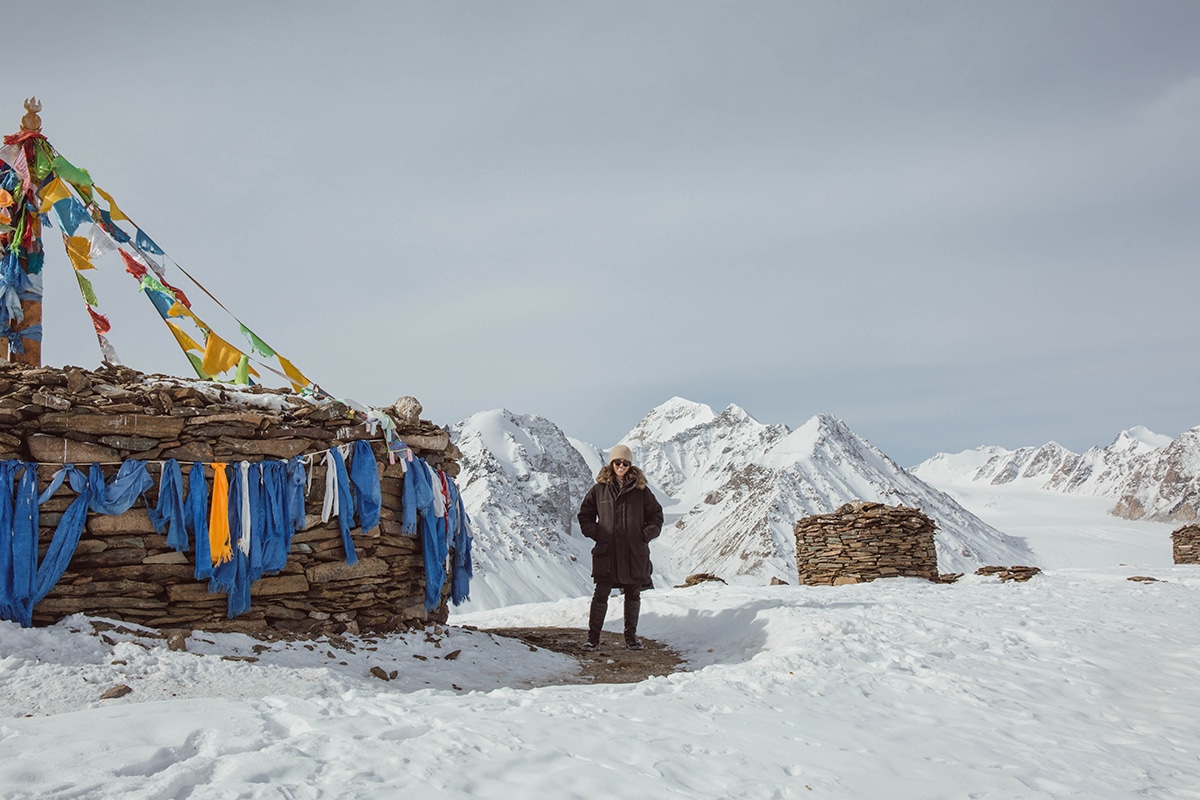
September is the last month to fully enjoy the Altai Tavan Bogd Mountain range and surrounding areas. During this time temperatures really start to shift, snow starts to settle, and reaching these far corners of the country doesn’t only become a challenge, it becomes impossible.
Start a September visit to the west by heading to the Potanin Glacier, where you can see Khuitan and Malchin Peaks in the distance. This is also where the borders with China, Russia, and Mongolia all collide.
From there, continue south through Altai Tavan Bogd National Park to Khoton and Khurgan Lakes. The families in this area move out by the end of the month, but you can still find a few to stay with in the area. Take the time to hike to Baga Turgen Waterfall, it’s a fairly easy hike, despite the high elevation you’re likely to feel, but it’s completely worth it.
Nearby are some of the best-preserved petroglyphs in the country.
You will need to book a domestic flight to Olgii or Khovd from Ulaanbaatar for this adventure, and you can easily combine this with seeing one of the Eagle Hunter Festivals while you’re there.
And before you ask, yes, both pictures on the right were taken in late September!
5. Ulaanbaatar Book Fair
For a different kind of adventure, the Ulaanbaatar book fair is a can’t miss, especially for book lovers. Imagine thousands of books in every language, all available in one place. From international and Mongolian book classics to more obscure reads, this book festival is a place you can lose yourself in for hours.
For a week each September the festival takes over Sukhbaatar Square, attracting thousands of visitors. It’s a great time to collect classic Mongolian literature, in every language!
6. Oktoberfest
September means Oktoberfest! And trust me when I say Mongolians know how to do it right. Mongolians do love a good party, after all.
Every year the venue changes (this year it’s in a giant tent next to the Asa Arena), but one thing always remains the same. Expect a giant hall filled with long tables, flowing steins of beer, a live German band, and plenty of Ulaanbaatar locals to toast with long into the night.
Author: Breanna Wilson
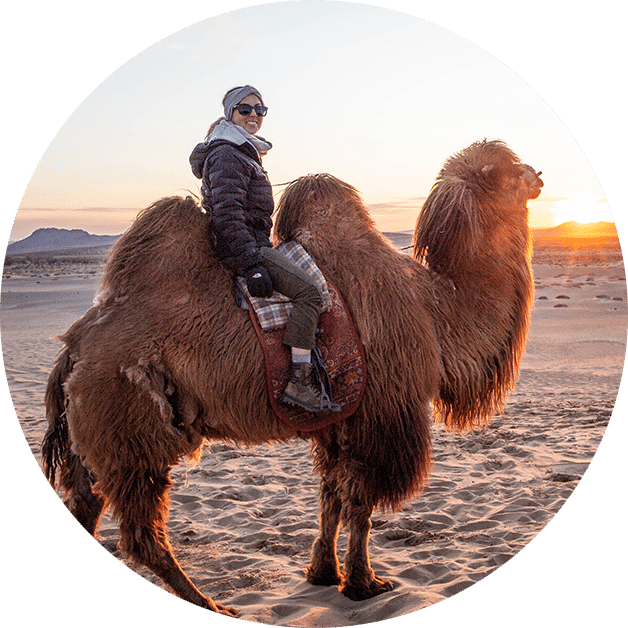
Hi! Sain uu! I’m Breanna, an American travel writer and adventurer living in Ulaanbaatar, Mongolia for more than 5 years. I’ve written for and been featured in Condé Nast Traveler, CNN, Forbes, and the New York Times, among others. Read more of my Mongolia travel articles here.


Join our Private MIM Community on Facebook
Proudly Based in Ulaanbaatar, Mongolia
© 2026 Meanwhile in Mongolia