It’s often hard to understand which region to visit in Mongolia, and when. It’s even harder to decide what to do, and how to plan the best itinerary, when you do finally go! Below find detailed information on the western region (Zavkhan, Gobi-Altai, Khovd, Bayan-Olgii, and Uvs), as well as day-to-day itineraries and other important things to know.
Western Mongolia is home to Mongolia’s most dramatic landscapes. Altai-Tavan Bogd National Park and the surrounding areas offer some of Mongolia’s most picturesque landscapes and breathtaking views.
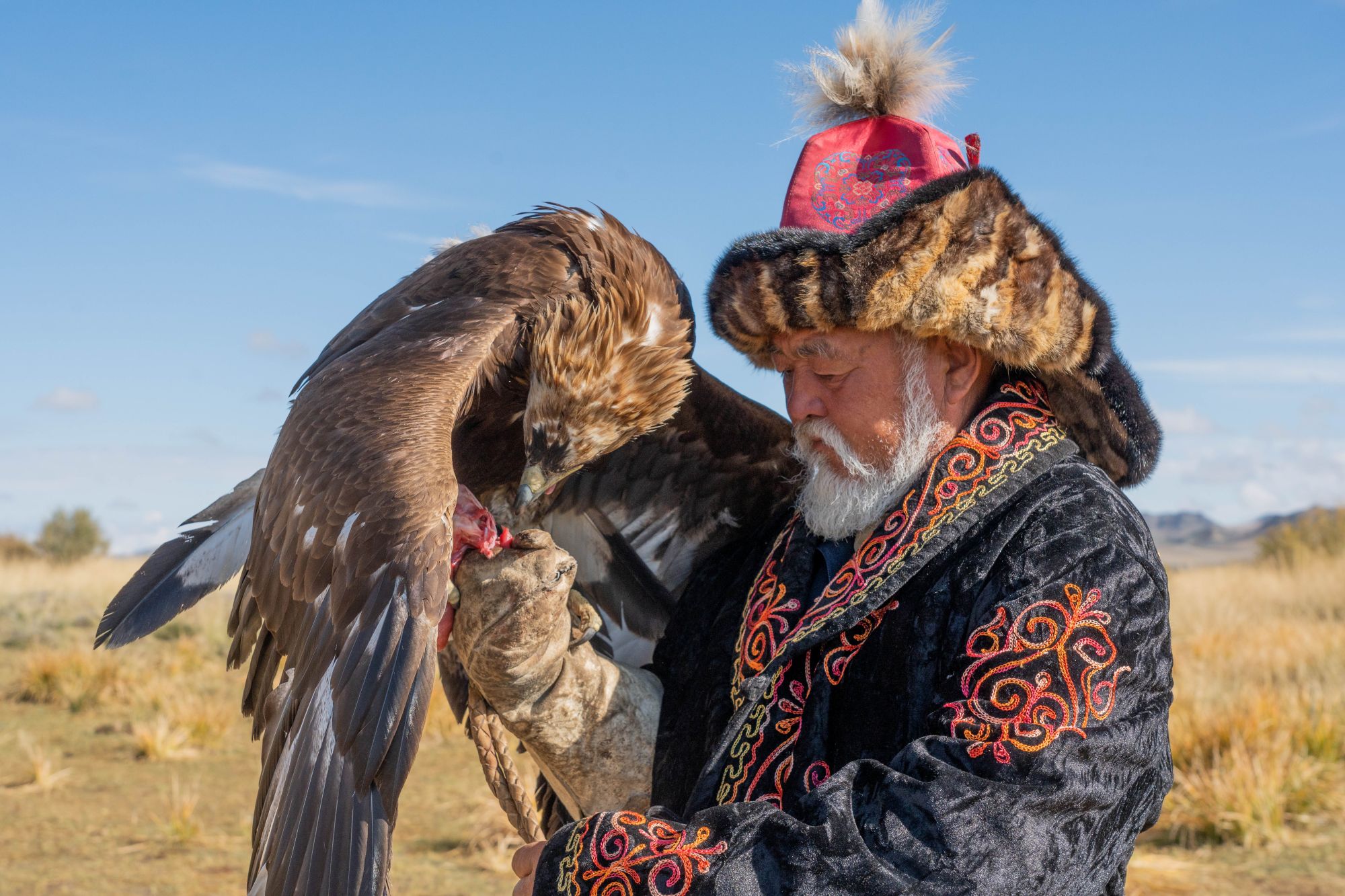
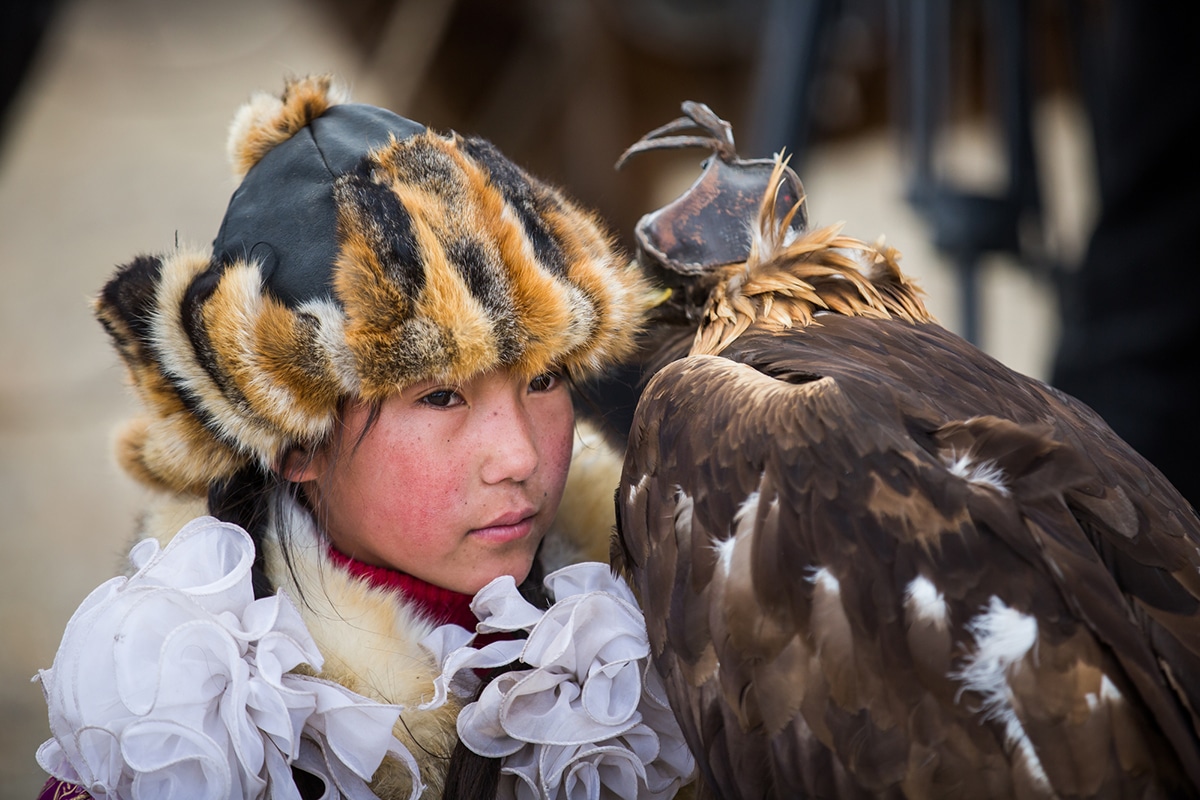
Additionally, western Mongolia is home to the Eagle Hunters. To learn about this ancient tradition and see it in action, a trip to western Mongolia is a must. Combine this with hiking in the Altai Tavan Bogd Mountain Range and you can easily spend two weeks or more in this wild and wonderful part of the country.
A favorite among hikers and horse trekkers, you don’t just visit western Mongolia, you embrace it.
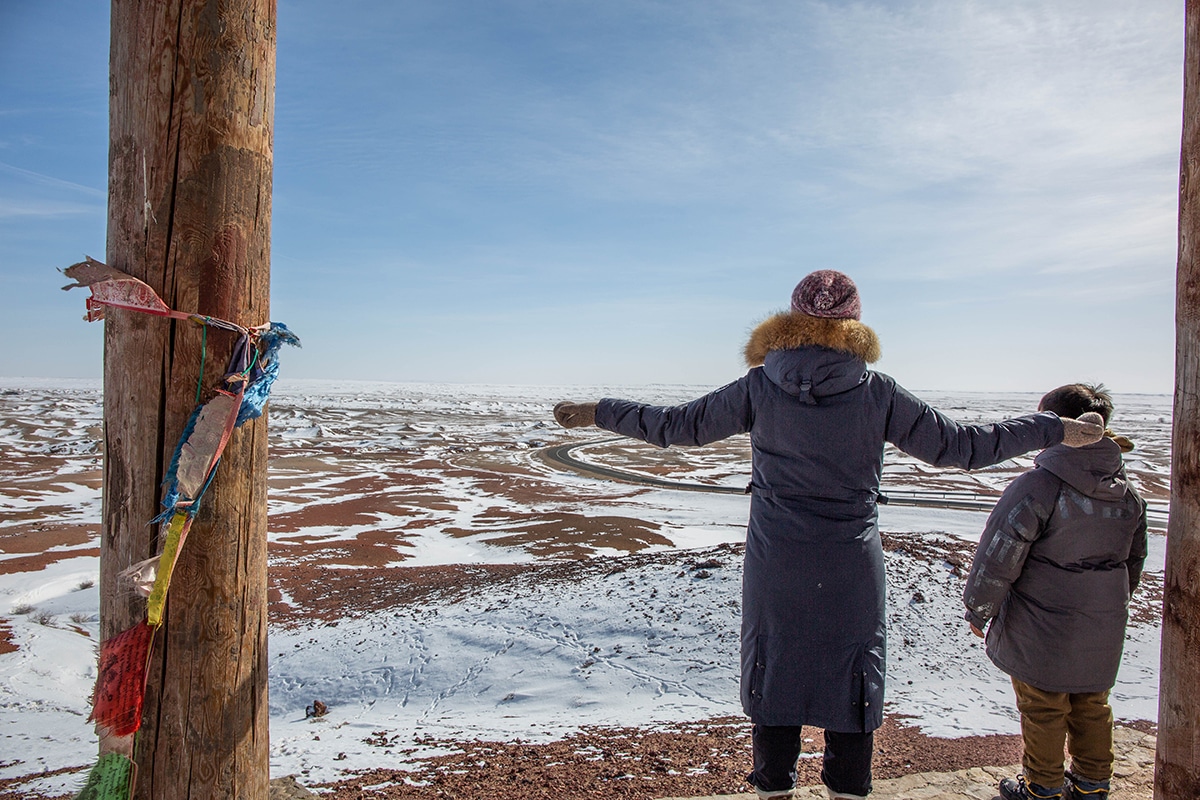
Western Mongolia endures some of the harshest winters in the country. The coldest month is January, with average highs around 9°F (−13°C) and average lows near −13°F (−25°C) in Olgii. The Uvs Lake basin is notorious as one of the coldest inhabited places in Central Asia, with January temperatures regularly plunging to −30°C to −40°C (−22°F to −40°F), while the high Altai valleys stay bitterly cold and windswept all season.
Spring (Mar – May)
March highs average around 25°F (−4°C) with lows near 0°F (−18°C), and by May the average high climbs to 59°F (15°C) with lows around 34°F (1°C). As elsewhere in Mongolia, spring is the windiest and most unpredictable season, and in the Altai Mountains snowstorms can strike well into May.
Summer (June – Aug)
July is the warmest month, with average highs of 72°F (22°C) and average lows of 50°F (10°C) in Olgii and Khovd. In the high Altai, including Altai Tavan Bogd National Park, summer daytime temperatures typically reach only 15–20°C (59–68°F), and nights near the glaciers and high lakes frequently drop close to freezing even in July. A warm jacket is essential year-round at elevation.
Fall (Sept – Nov)
September averages a high of 55°F (13°C) and a low of 28°F (−2°C), with night frosts arriving earlier here than almost anywhere else in Mongolia, by late September, lows in the mountains can already reach −10°C (14°F). By November, winter has fully taken hold, with highs around 16°F (−9°C) and lows near −8°F (−22°C).
Summer Highlights
Potanin Glacier
Malchin Peak
Khuiten Peak
Eagle Hunter Homestay
Khetsuu Khaad
Khoton Lake
Khurgan Lake
Baga Turgen Waterfall
Eej Khairkhan Mountain
Zavkhan River
Harhiraa Uul
Winter Highlights
Eagle Hunter Homestay
Nauryz Festival
Snow Leopard Tracking
Pallas’ Cat Tracking
how to get there
✈️ Domestic Flight (Recommended)
For western Mongolia, flying is the practical choice. Olgii sits roughly 1,600 km from Ulaanbaatar, making it the farthest provincial capital from the capital city. MIAT Mongolian Airlines and Hunnu Air operate scheduled flights from Chinggis Khaan International Airport to Olgii (about 3 hours), with additional service to Khovd and Ulaangom. Flights run only a few days per week, and seats around the eagle festival dates in September and October sell out months ahead, so book as early as possible. Flying turns what would be a punishing 2 to 3 day overland journey into an afternoon.
🚌 By Bus (Public / State Bus)
Intercity buses depart from Dragon Center in Ulaanbaatar for Ölgii, Khovd, and Ulaangom, but be warned: this is one of the longest bus rides in Mongolia, taking roughly 36 to 48 hours nonstop on rough roads. Tickets cost around MNT 100,000–130,000 (about USD $30–37), purchasable at the terminal or online at eticket.transdep.mn. Buses stop every few hours for short breaks at provincial centers.
What to expect: Large coaches seating up to 40 people, departures several times a week, and a genuine endurance test. Travelers who’ve done it tend to describe it as an adventure they’re glad they had and would never repeat. Bring food, water, and patience.
🚐 Shared Minivan
Private minivans wait at local markets and depart when full. This is the most common way locals travel between western towns like Ölgii, Khovd, and Ulaangom. It’s cheaper than hiring a private car, but you may wait hours for the van to fill.
What to expect: No fixed schedule and no booking system. Show up at the market early in the morning and find the van heading your direction. Useful for hops between western towns, but not recommended for the full Ulaanbaatar run.
🚙 Private Car/Driver (Essential Once You Arrive)
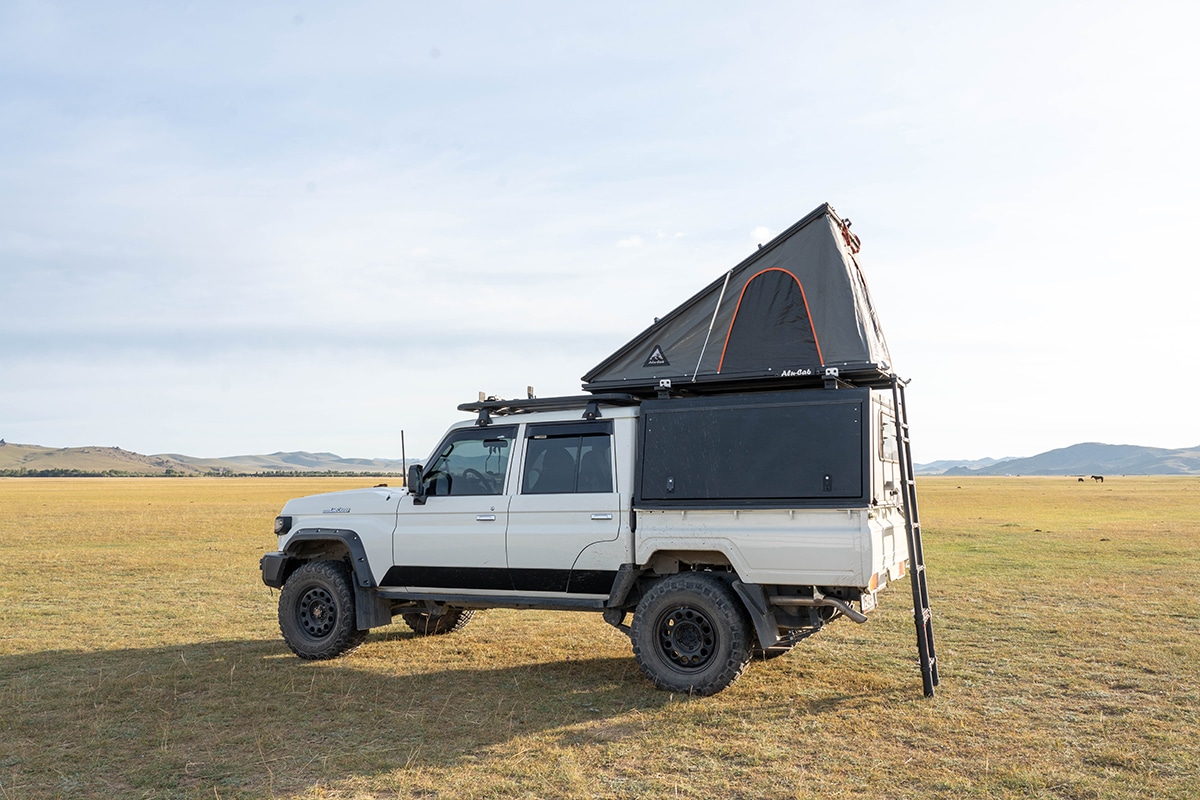
Here’s the key thing about western Mongolia: however you get there, you’ll need a 4WD and driver to reach the actual sights. Altai Tavan Bogd, the Khoton and Khurgan lakes, and eagle hunter communities are all far off any paved road. Expect around $80/day for car and driver, or roughly $120/day once you factor in the driver’s food, accommodation, and entrance fees. Toyota Land Cruisers offer more comfort, while the Russian-made UAZ-452 is easier to fix roadside but prone to breakdowns, a real consideration in a region this remote.
How to book: The Olgii guesthouses double as tour operators and are the best way to arrange vehicles, drivers, and permits. Book well in advance. The western travel season is short, snow can arrive by late September, and festival season books out everything.
🚂 Train (Not an Option)
The Trans-Mongolian rail line runs north to south through central Mongolia and doesn’t come anywhere near the western provinces. Skip it for this region.
Key Things to Know
Even flying into Olgii, you’ll still need a car and driver for everything outside town, so build this into your budget from the start.
Border permits are required for areas near the Russian and Chinese frontiers, including Altai Tavan Bogd. Guesthouses and tour operators arrange these, but allow a day or two.
Always carry 3 to 5 days’ worth of food and water, a tent, and warm sleeping bags when traveling remotely.
Cell coverage is spotty to nonexistent outside towns. Bring a physical map and compass as backup.
Bottom line: Fly to Olgii to save days of your trip, then hire a 4WD and driver through a local guesthouse for everything beyond town.