
Things to do in Mongolia in October: Tours I’d Book as a Local
Things to do in Mongolia in October, including tours I’d book as a local, October weather, and other things to do in the country during the fall shoulder season.
With the start of October comes cooler temperatures, the tail end of the fall colors, and the last real window for outdoor adventures before winter sets in.
Weather is still mostly pleasant, though the days are noticeably colder and nights regularly drop below freezing.
Overnight camping is largely wrapped up for the season by this point, unless you’re traveling in an overlanding vehicle with a built in heater or staying with local families along the way. Many ger camps across the countryside close down for the season too, so it’s worth checking with camps directly before heading out.
Nomadic families are also in full winter prep mode. Most are settled at their fall camps, doing everything they can to fatten up their animals before the cold really sets in, which means limiting riding time for the horses and stocking up on as much hay as they can cut or afford.
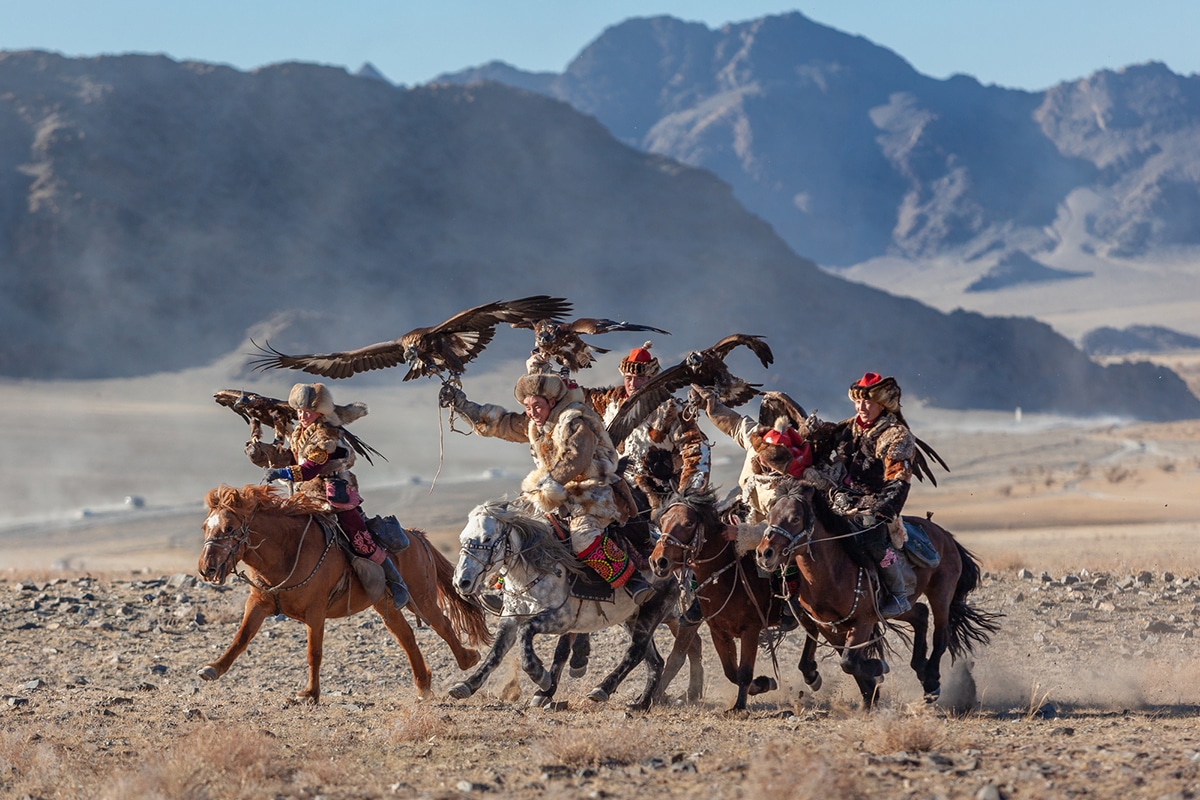
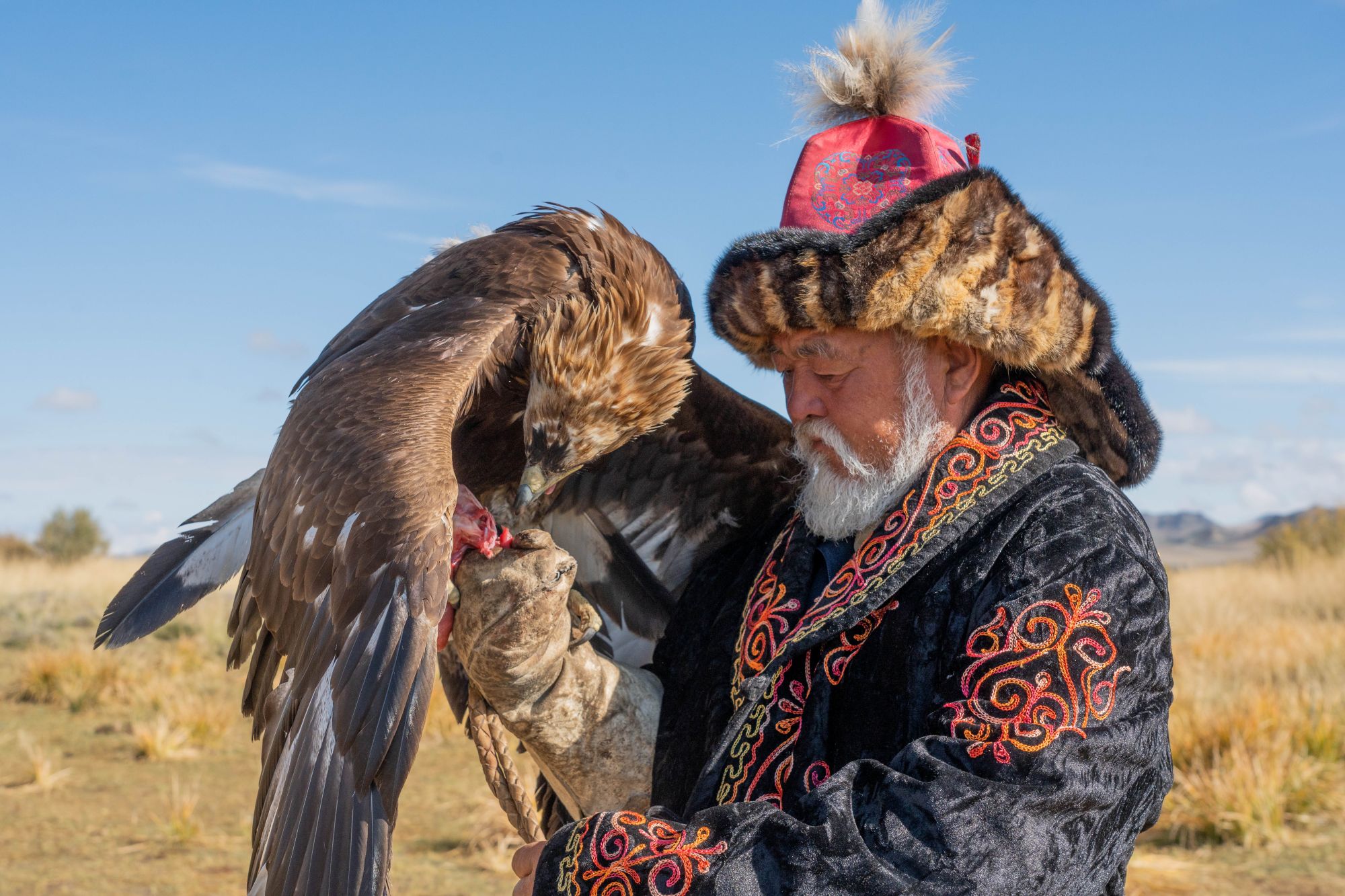
The biggest event of the month, by far, is the Golden Eagle Festival, held the first weekend of October. These days it draws around 2,000 spectators and roughly 80 eagle hunters competing for the top prize. It’s the largest eagle festival in Mongolia, and quite possibly in the world, running for almost 30 years now. Smaller festivals happen throughout September, but this is the grand finale of the season. All of the eagle festivals take place in western Mongolia, so you’ll need to fly from Ulaanbaatar to Ulgii or Khovd to attend. If you’re hoping to catch one, I’d recommend booking six months to a year in advance. They’re that popular.
All that said, October is still a wonderful time to visit Mongolia, with plenty to see and do. Below, I’ve rounded up some of my favorite things to do this time of year, so take a look and book an adventure or two if you’re planning a trip.
Table of Contents
Everything you Need to Book for When You Land in Ulaanbaatar
Everything you need to book when you arrive in Ulaanbaatar.
🚕 Airport Transfer into the Ulaanbaatar City Center
Book your airport transfer before you land. Ulaanbaatar taxis are chaotic and this is worth the peace of mind.
🛌 Where to Stay
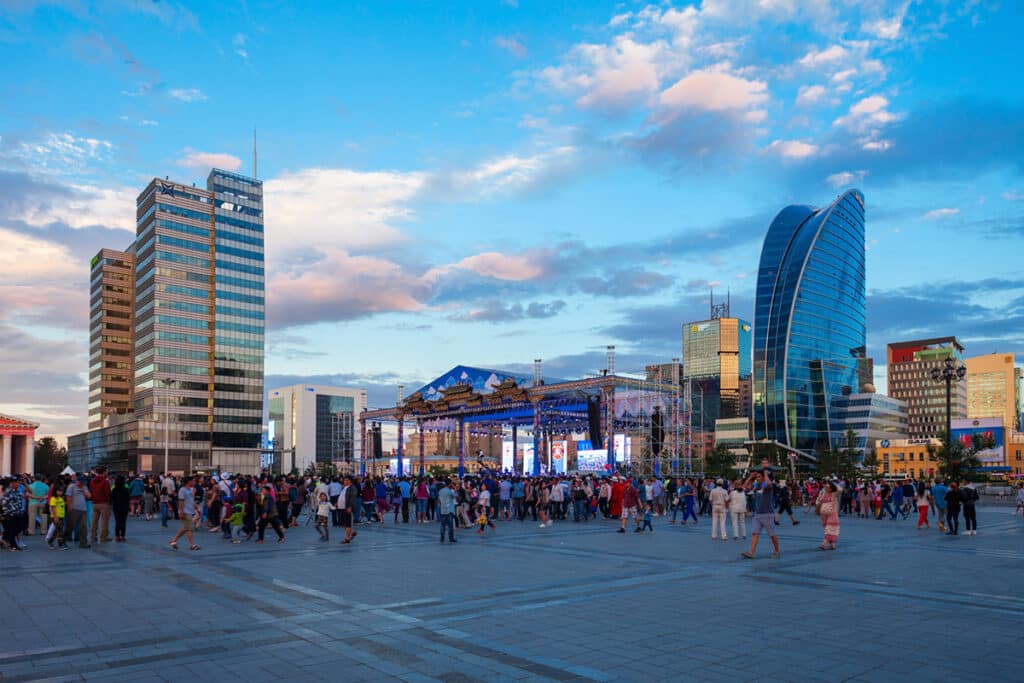
My picks at every budget, all within walking distance of Sukhbaatar Square:
→ Hostel One: best hostel in the city for solo travelers
→ Urgoo Hotel: locally owned boutique spot, great value and location
→ H9 Hotel Nine: steps from everything and great value (highly recommend!)
→ Best Western Premier Tuushin: 4-star hotel next to the square for a more comfortable stay and notable service (plus, a safe place to store luggage while you’re in the countryside)
👉 Make the Most of Your Time in the Capital
If you have extra days, these are the experiences I’d actually recommend:
→ Ulaanbaatar: Private Guided City Tour with Car
→ Cooking Class in a Local Home
→ Mongolian Traditional Dance & Music Concert Ticket
→ Chinggis Khaan Equestrian Statue & Terelj National Park
→ Ulaanbaatar: Private Nomad Horseback Ride + Homemade Lunch
The Fall Shoulder Season
October also marks the start of lower hotel rates and more room to negotiate rates with guides and drivers who are looking for work now that peak season has wound down.
You’ll have fewer options when it comes to ger camps, and some families may not be taking guests during this time.
Before traveling to Mongolia in October, make sure your plans and arrangements are set in advance. I don’t recommend showing up without an itinerary or pre-booked tours this time of year. It can be a bit trickier to navigate than the busier months, but that doesn’t mean there’s nothing to do. Things just look a little different.
The upside is far fewer tourists and crowds, both local and foreign, so you’ll often have attractions, museums, and picture-perfect spots almost entirely to yourself.
Most regions are still reachable, since snow typically doesn’t start creeping in until mid-month in the north and west. The south stays a bit warmer, but most ger camps throughout the Gobi Desert are closed for the season by this point, so I don’t recommend heading there.
If you’re planning an October trip, I’d stick closer to Ulaanbaatar, or look at places like Yeruu Lodge in the north, which you can reach by train. More on that below.
This is also a great time to brush up on your horseback riding skills, start learning the basics of Mongolian mounted archery at their indoor training center (no horses involved), and squeeze in your final hikes of the year.
What is the Weather Like in Mongolia in October?
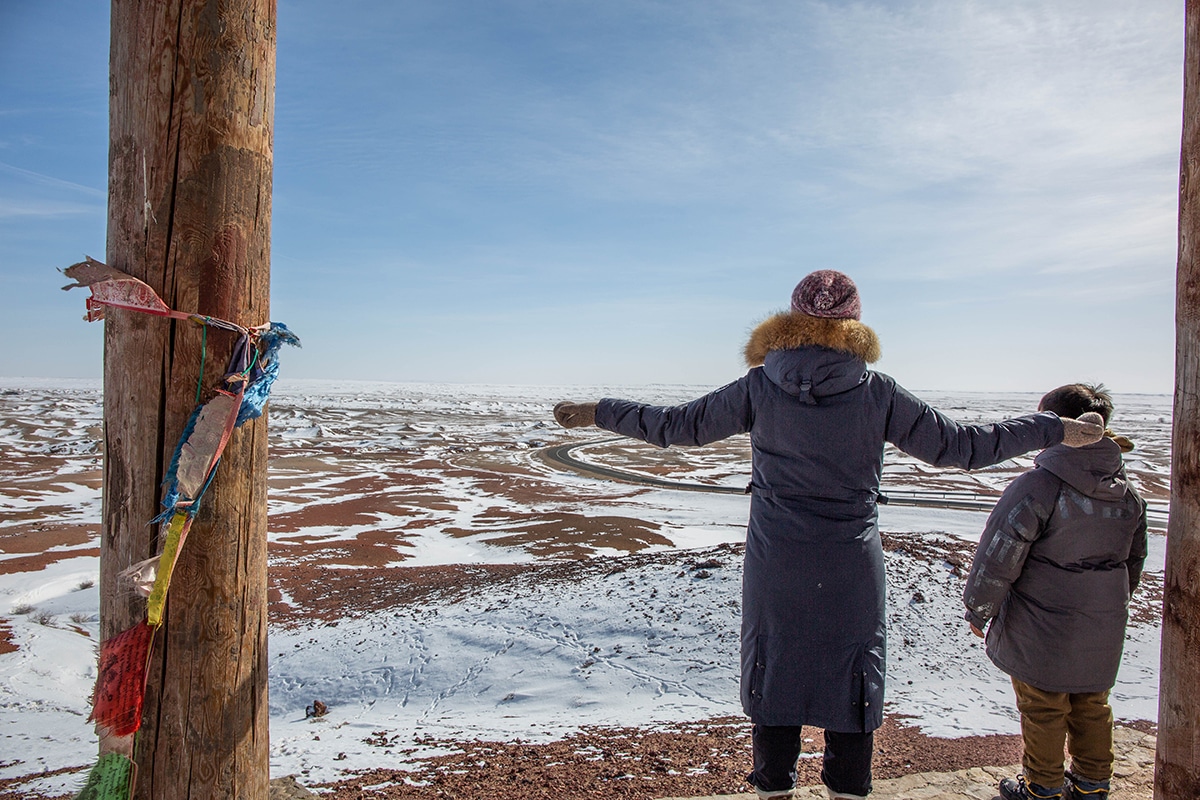
If you’re planning a trip to Mongolia in October, pack your winter coat. You’ll also want a beanie, gloves, warm socks, and a solid pair of boots. It’s not unusual for snow to start sometime during the month. It may not stick in the city, but in the northern and western parts of the country, this is often the real start of winter.
That said, Mongolia still sees plenty of sunshine in October, so don’t picture doom and gloom. The days can be colder than you’d expect, but the dry air and sunshine keep it from feeling unbearable.
This is also the perfect time to start stocking up on Mongolian cashmere, which you can find at a bargain at the Black Market or at shops around town.
A good rule of thumb for dressing in Mongolia in October: you can always take a layer off, but you can’t put one on if you didn’t bring it.
Ulaanbaatar October Weather
October is when Ulaanbaatar makes its final turn toward winter. Daytime temperatures hover around 8–11°C in the first half of the month, then slide down to 0–3°C by the final week. Mornings arrive noticeably colder than they did in September, and by late October, the sun doesn’t offer much warmth even on clear days.
Nights are where the season really shows itself. Early October evenings dip to around -3 to 0°C, but by month’s end temperatures regularly fall to -10°C or lower once the sun sets. The city’s elevation and valley setting amplify this swing, so even a mild afternoon can give way to a genuinely cold night within a few hours.
On average, October in Ulaanbaatar sits somewhere around -1 to 2°C for the month, marking the real transition out of autumn. Precipitation is light, typically under 10-15mm, and mostly falls as the season’s first snow rather than rain. Skies tend to stay clear and dry, which makes for good visibility and sightseeing conditions, but pack accordingly: layers, a proper coat, and gloves are no longer optional once you’re out past mid-afternoon.
Northern Mongolia October Weather
October is when northern Mongolia fully commits to winter. Daytime highs run around 3–7°C early in the month, dropping to -2 to 2°C by the final week, with the shift happening noticeably faster here than in the capital. Near Khovsgol and the Russian border, higher elevations can see daytime temperatures stay below freezing for stretches even earlier in the month.
Nights are unforgiving. Expect regular lows of -8 to -12°C by mid-month, and areas near the lake or at higher altitude can dip well past -15°C by late October. Snow becomes a real presence rather than an occasional flurry, and what falls tends to stick, especially in the forests and higher terrain.
The October average for northern Mongolia lands somewhere around -3 to 0°C, making it one of the coldest regions in the country this time of year. Precipitation stays light overall, generally 10-20mm, arriving almost entirely as snowfall. Roads and trails can become unpredictable once the season’s first real snow sets in, so if you’re planning to visit the Red Taiga or Khovsgol region in October, flexibility and proper cold weather gear aren’t optional, they’re essential.
Southern Mongolia October Weather
The Gobi holds onto warmth longer than the rest of the country, but October is still where that starts to change. Daytime highs run around 12–16°C early in the month, easing down to 5–9°C by the final week, a gentler slide than what you’ll find further north.
Nights, however, tell a different story. Even with mild days, temperatures can drop to -2 to 3°C early in the month and fall further to -6 to -8°C by late October, thanks to the desert’s dramatic day-night temperature swings. This gap between daytime warmth and nighttime cold is one of the more striking features of the Gobi in autumn.
The October average for southern Mongolia sits around 3–6°C, still the mildest region in the country this time of year. Rainfall is minimal, generally under 5-10mm for the month, keeping days dry, clear, and sunny. That said, this is also the point in the season when most Gobi ger camps close down, since the infrastructure isn’t built for the sharp overnight cold. Days may feel pleasant, but come prepared for genuinely cold nights if you’re planning to camp or travel through the region.
Eastern Mongolia October Weather
Out on the eastern steppe, October brings a steady, exposed kind of cold. Daytime highs sit around 5–9°C early in the month, dropping to -1 to 3°C by the final week, with the open grasslands around Choibalsan and Öndörkhaan offering little shelter from the wind as temperatures fall.
Nights turn sharply cold. Early October lows hover around -5 to -8°C, and by late month temperatures regularly fall to -10°C or below, with wind chill making it feel even harsher across the flat, treeless terrain. Frost becomes a daily occurrence rather than an occasional one.
The October average for eastern Mongolia lands around -1 to 1°C, putting it solidly into early winter territory by month’s end. Precipitation is light, typically 5-15mm, and mostly arrives as snow rather than rain. Skies tend to stay clear, so visibility is good, but the wind is the real factor to plan around here: layering up and windproof outer gear matter more in the east than almost anywhere else in the country this time of year.
Western Mongolia October Weather
Western Mongolia is where winter arrives first, and October confirms it. Daytime highs in the valleys run around 2–6°C early in the month, dropping to -3 to 1°C by the final week, with the transition happening faster here than anywhere else in the country.
Nights are severe. Expect lows of -8 to -12°C early in the month, falling to -15°C or colder by late October, with the Altai Mountains seeing consistent snowfall and sub-zero conditions well before month’s end. Higher elevations around Bayan-Ölgii and Khovd can already be fully snowbound by this point, regardless of what the valley floor looks like.
The October average for western Mongolia sits around -4 to -1°C, making it the coldest region in the country this time of year, mountain areas especially. Precipitation stays relatively light in the valleys, generally 10-20mm, but snow accumulation at elevation can be significant. If you’re heading west for the Golden Eagle Festival or beyond, know that the early part of the month is your window. Conditions deteriorate quickly, and by late October, travel through the higher passes becomes genuinely difficult without serious cold weather experience and gear.
What to Pack for a Visit to Mongolia in October
Here are a few essentials I’d be sure to pack for any trip to Mongolia in October:


What to do in Mongolia in October
Below, I’ve rounded up some of my favorite things to do in October as a local. These are the places I actually go myself, and exactly what I’d recommend to my closest friends and family if they were visiting this time of year.
1. Attend the Golden Eagle Festival, the Biggest Eagle Festival of the Year
As I mentioned above, the Golden Eagle Festival is hands down the biggest eagle festival of the year. It’s the most attended, and usually the one most travelers come to Mongolia specifically to see.
It’s an exciting event held just outside of Ulgii in the small town of (insert town name). The festival features competitions that test both the eagles and their trainers, along with traditional Kazakh sports like (insert events).
Stalls sell food and locally made crafts throughout the weekend, and the energy on Saturday and Sunday, when the competitions take place, is unmatched.
It’s worth noting that some years this weekend has been brutally cold, with guests telling me they’ve never felt cold like it in their life. When I attended back in 2024, though, we got unbelievably beautiful weather. It was crisp, no doubt about that, but the sun was shining, and we’d all prepared so hard to freeze that we ended up overdressed instead.
In true Mongolian fashion, you can never really predict the weather here, so you never know exactly what you’ll get for this weekend. That unpredictability is part of what makes it an adventure.
If you want to attend the Golden Eagle Festival, I’d recommend booking with a local tour company who can help arrange your domestic flight and handle the travel logistics. Domestic flights here are notorious for delays, last-minute schedule changes, and general hiccups, so having a local on your side to manage that part of the trip makes a real difference.
I also can’t stress enough how far in advance you should book. Availability is limited, and demand for this festival keeps growing every year, so I recommend booking at least six months out, and ideally closer to a year ahead if you want your pick of flights and the best possible experience.
CLICK HERE: Book an Eagle Festival Tour like this one →


2. Take the Trans-Mongolia Train on a Spiritual Journey to One of the World’s Energy Centers
This is one of my favorite trips to tell people about, because most have no idea that Mongolia is home to some of the most famous energy centers in the world.
If you believe in that sort of thing, like I do, visiting Shambala, the 108 Caves, and Khamariin Hiid is a must.
You can take the day or night train from Ulaanbaatar to Sainshand, in the east Gobi. That’s where you’ll set up home base to visit these sites and learn about Danzanravjaa, the man responsible for building them.
While in Sainshand, it’s also worth visiting the Danzanravjaa Museum and the Dornogobi Aimag Museum to get a feel for the area. There are a few great coffee shops (ROC Sainshand, Energy Coffee), a super cute wine bar (La Boam Bar), and one of my favorite jewelry and gem stores in all of Mongolia (Yesun Tengri Jewelry).
There are a number of rituals associated with visiting Shambala, and it’s said that if you visit once in your lifetime, you’ll be granted access to it in the afterlife. I’d recommend going with a guide who can translate on site. There’s a local man named Baatar, one of the guardians of Shambala, who will walk you through the rituals in the correct order. Before entering the complex, be sure to pick up what I call the spiritual starter pack: a pre-made bundle with grains, vodka, water, matches, and dried juniper, the essentials you’ll need to complete the offerings. Visiting Shambala is a full experience, and one that draws far more locals than foreigners, so don’t be surprised if you’re the only visitor from abroad when you go.
After Shambala, be sure to stop at the 108 Caves and crawl through the Mother’s Womb, ring the prayer bell on your way out of the complex, visit Khamariin Hiid and the back pagoda, and leave an offering at Moomtei Ovoo, a monument dedicated to women.
Khan Bayanzurkh Mountain is also nearby and worth a visit to make a wish. Women aren’t permitted to climb the mountain, but can leave an offering at the base, while men can climb to the ovoo at the top.
CLICK HERE: Book this 3-day Tour to Shambala by Train from Ulaanbaatar →


3. Take the Trans-Mongolia Train to See the Fall Colors of the North & Stay at Yeruu Lodge
Not only is this one of my favorite train rides to take north, this is one of my favorite places to stay in all of Mongolia. And doing it in the month of the October is an awesome time to because of the fall colors, cooler temperatures combated by the wooden stoves each ger has for warmth, and the prime view of the Yeruu River.
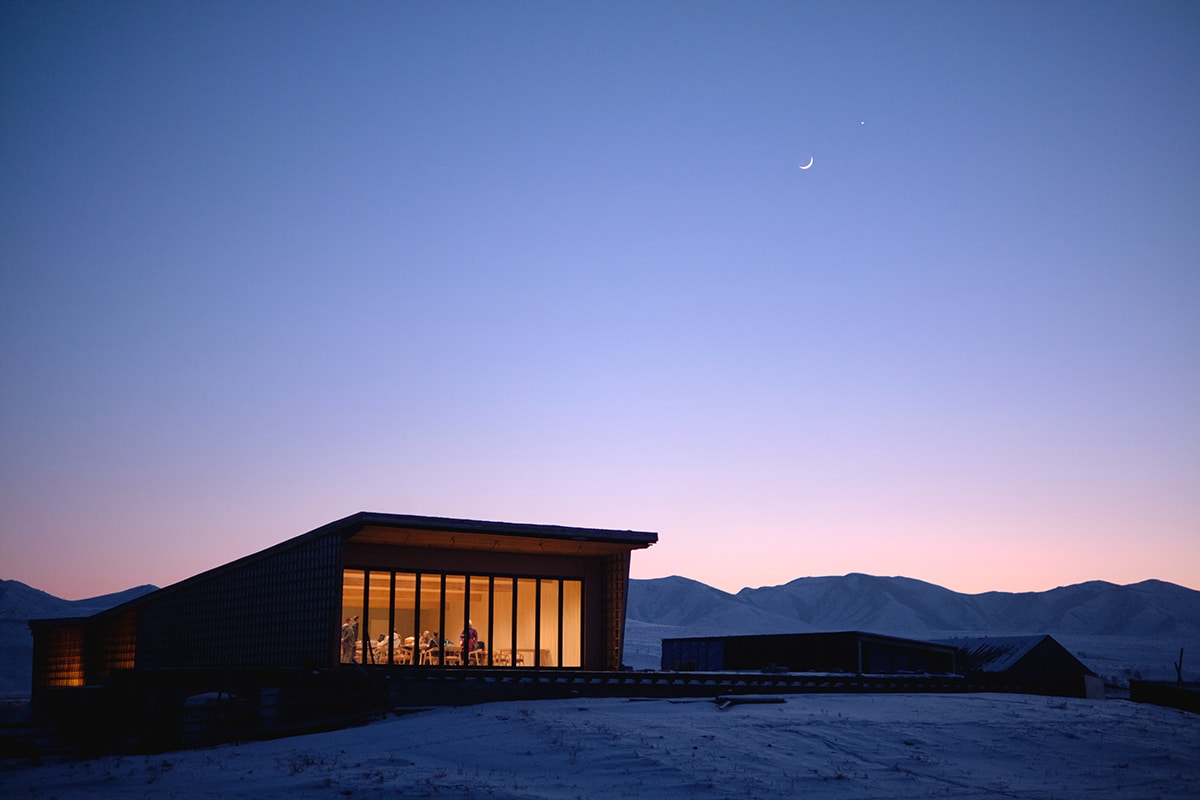
Yeruu Lodge is one of those true gems in Mongolia. The nightly rate isn’t absurd (in fact, I think they should be charging more, but don’t tell them I said that), and the service is on an international standard. The Scandinavian design blends into the environment in such a natural way that coming to this place just feels right. Being here immerses you in nature while still offering all the comforts you want in a beautifully decorated traditional Mongolian ger. They do offer luxury gers with ensuite bathrooms, which I would recommend booking if you can snag one. This place is often sold out, so be sure to book early.
Plan to stay two nights, that’s the perfect amount of time to disconnect here.
CLICK HERE: Book a room at Yeruu Lodge, they can even help you book your train ticket to get there →

4. Take a Horseback Riding Lesson & Refine Your Mongolian Riding Style Just Outside of Ulaanbaatar
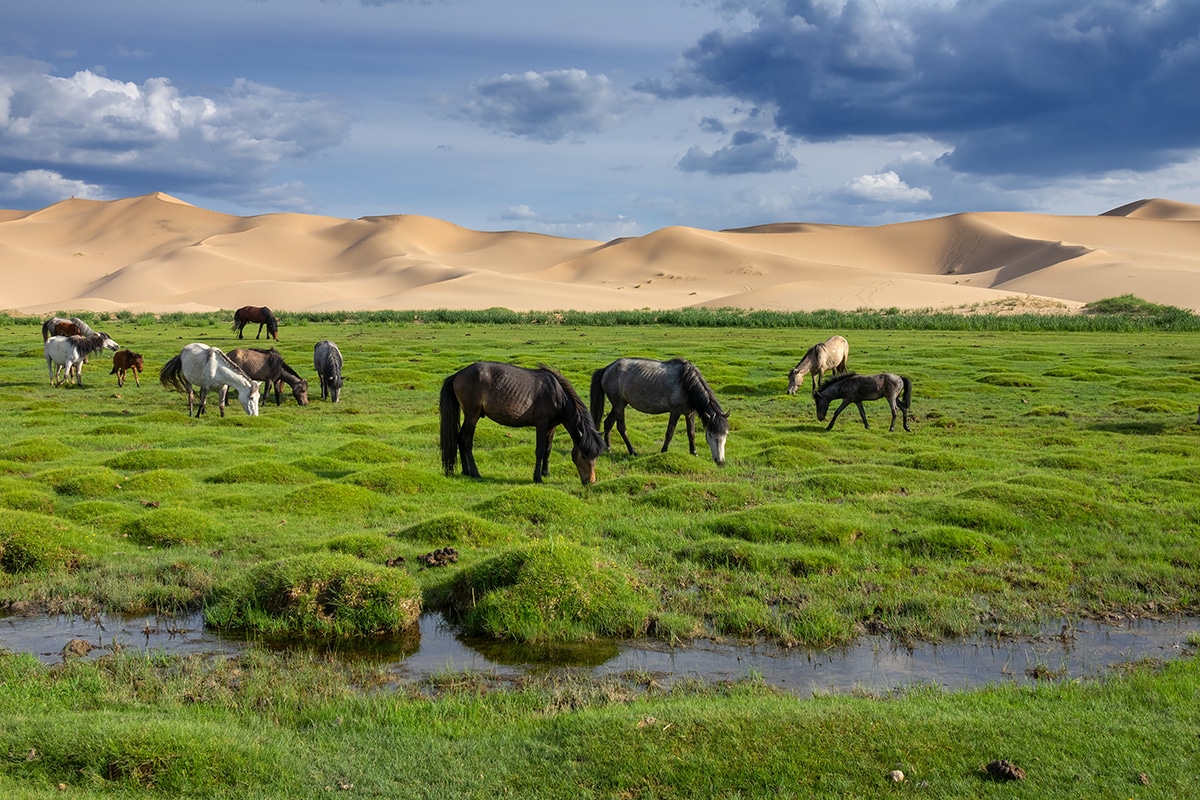
October is the perfect shoulder season for a horseback riding lesson. Crowds are thinner, herders have more time to walk you through their riding style, and the cooler temperatures help keep these semi-wild steeds a little more under control.
Mongolian horses are known for their feisty spirits, so taking a lesson is a great idea for anyone who’s never ridden, or who considers themselves a beginner. There’s no shame in that, especially here. Most visitors underestimate these horses at first, and quickly learn that riding in Mongolia is just different from riding anywhere else in the world. These horses aren’t trained the way horses are elsewhere. It takes a firm hand and steady confidence to build any real bond with them.
The best part is you don’t have to go far outside Ulaanbaatar to find great riding.
For anyone hoping to learn, I can’t recommend booking a lesson enough. Even after riding in Mongolia for more than eight years, I still find myself taking refresher courses with locals from time to time. There’s always more to learn from them, and between the unbeatable scenery and the chance to immerse yourself in local culture this way, it’s an experience you won’t forget.
CLICK HERE: Book a horse riding lesson on the outskirts of Ulaanbaatar →
5. Enjoy the Last Cultural Shows of the Year at Mongol Nomadic Tourist Camp
Mongol Nomadic Tourist Camp is one of those places that’s completely touristy and a little cheesy, but in all the right ways. It’s one of the few spots that really captures the different aspects of Mongolian nomadic culture in a thoughtful way, explaining the lifestyle better in an afternoon than most tour guides could manage. And they don’t just talk about it. They show it and get travelers directly involved.
You can learn traditional Mongolian calligraphy, ride horses, camels, or yaks, meet contortionists, and listen to throat singing and traditional instruments being played live, among plenty else. Different local masters rotate through regularly, so there’s always something new happening, and every visit offers a slightly different window into nomadic life.
The camp is about an hour and a half by car from the city center, so it’s best visited as part of a tour. You can go for the day through the link below, or spend the night at Mongol Nomadic Camp.
CLICK HERE: Day tour to Visit Mongol Nomadic Tourist Camp →
6. Pair it with Searching for Wild Przewalski Horses at Khustai National Park
Mongolia is home to more than 1,000 wild Przewalski’s horses, or takhi as they’re called locally. This is the last truly wild horse species on earth and seeing them in their natural habitat is something really special for any wildlife lover.
Since it’s close to Mongol Nomadic Camp, many people combine a day trip there with a visit to Khustai National Park.
Inside the park, you can also spot other wildlife, including red deer, Mongolian gazelle, argali, and the occasional Siberian lynx.
In the colder months, when there are fewer tourists around, the animals tend to move closer to the roads that run through the park. Sightings are never guaranteed, of course, but spending a few hours out in nature here is never time wasted.
CLICK HERE: Book just Khustai National Park →
CLICK HERE: Book Mongol Nomadic Culture Park & Khustai National Park together →


7. Attend a Shaman Ritual & Get Your Questions Answered
Whenever I have doubts about what to do with my life, concerns about my health, or just need some general spiritual guidance, I seek out a shaman in Ulaanbaatar.
Meeting with one isn’t what most people expect. In fact, most visitors go about it all wrong. They walk in asking things like “what is my meaning in life” or “what do you see in my future,” and those are usually the wrong questions to bring to a shaman. You need to be specific about your intention with the spirit. The spirit the shaman channels can only give you sound advice if you give it something sound to work with, not vague, general curiosity.
What you put into your question’s intention is usually what you get out of it.
This is also where the “I’m just curious what a ritual is like” tourist tends to leave disappointed. The rituals themselves are intimate and genuinely fascinating, but I think people come in with grand expectations of some kind of spectacle. This isn’t a show. It’s a part of daily life here, treated with the same seriousness and respect Mongolians bring to it every day.
One more thing worth knowing: a shaman may tell you that you need to be cleansed, and that doing so will cost you a cow, a sheep, or some other form of payment. This isn’t a scam. Shamans tell locals the exact same thing all the time, too.
CLICK HERE: If you’re serious about visiting a shaman, check out this experience →

8. Spend a Few Days in Central Mongolia: Kharkhorin, Elsen Tsarkhai, and the Tsenkher Hot Springs
Cold weather and hot soaking springs are one of the world’s greatest combinations.
To get there, stop first in Kharkhorin, the ancient capital of the Mongol Empire under Genghis Khan. From there, head to Arkhangai Province, where you’ll find natural hot springs tucked back into the mountains, best appreciated once the temperatures start to drop. The resorts here vary in what they offer, but keep in mind these aren’t natural pools. They’re man-made pools with natural underground hot spring water piped in.
These waters are well known for their health benefits, and you’re far more likely to find yourself soaking alongside locals here than alongside other tourists.
On your way back, stop in Elsen Tasarkhai, also known as the mini Gobi, where you can see the striking spot where the sand dunes meet the open steppe.
CLICK HERE: Spend 3 days in the best of Central Mongolia →
9. Book an Indoor Training Session with the Famous Mongolian Mounted Archers
This is one of my favorite activities, so I have a feeling it’ll become one of yours, too.
I first started training in traditional Mongolian mounted archery almost four years ago, starting at this same time of year at the indoor training center. That’s where you build up the necessary muscle memory and technique before combining it with the next, more challenging step: shooting while riding a galloping horse.
The indoor training center is a lively, fun place to pick up this new skill, and you’ll also get to meet some of the archers carrying this ancient sport forward today. They speak English, are great to be around, and learning a genuinely badass new skill along the way is just an added bonus.
CLICK HERE: Book an indoor training session with the horseback archers →
10. Take a Walking Tour of Ulaanbaatar & Stop for a Cooking Class in a Local Home
What’s not to love about walking and eating? Personally, I think walking through Ulaanbaatar is the best way to see and understand the city. You notice so many small details you’d otherwise miss from a car, and walking alongside locals gives you a real sense of the people who live here.
Pair that with stepping into a local family’s home and sharing a meal, and you’ve basically got what I consider a perfect day.
Learning to make a local dish like tsuivan, which happens to be my favorite dish in Mongolia, means you take home more than just the memory of the meal. You take home the skill to recreate it yourself, back in your own kitchen. The family will even share their recipe with you to take home to do just that.
CLICK HERE: Check out this Day Tour that Includes a Walking Tour & Cooking Class in a Local Home →


11. UNESCO Bogd Khan Mountain, Ruins of Manzushir Monastery & a Horse Ride
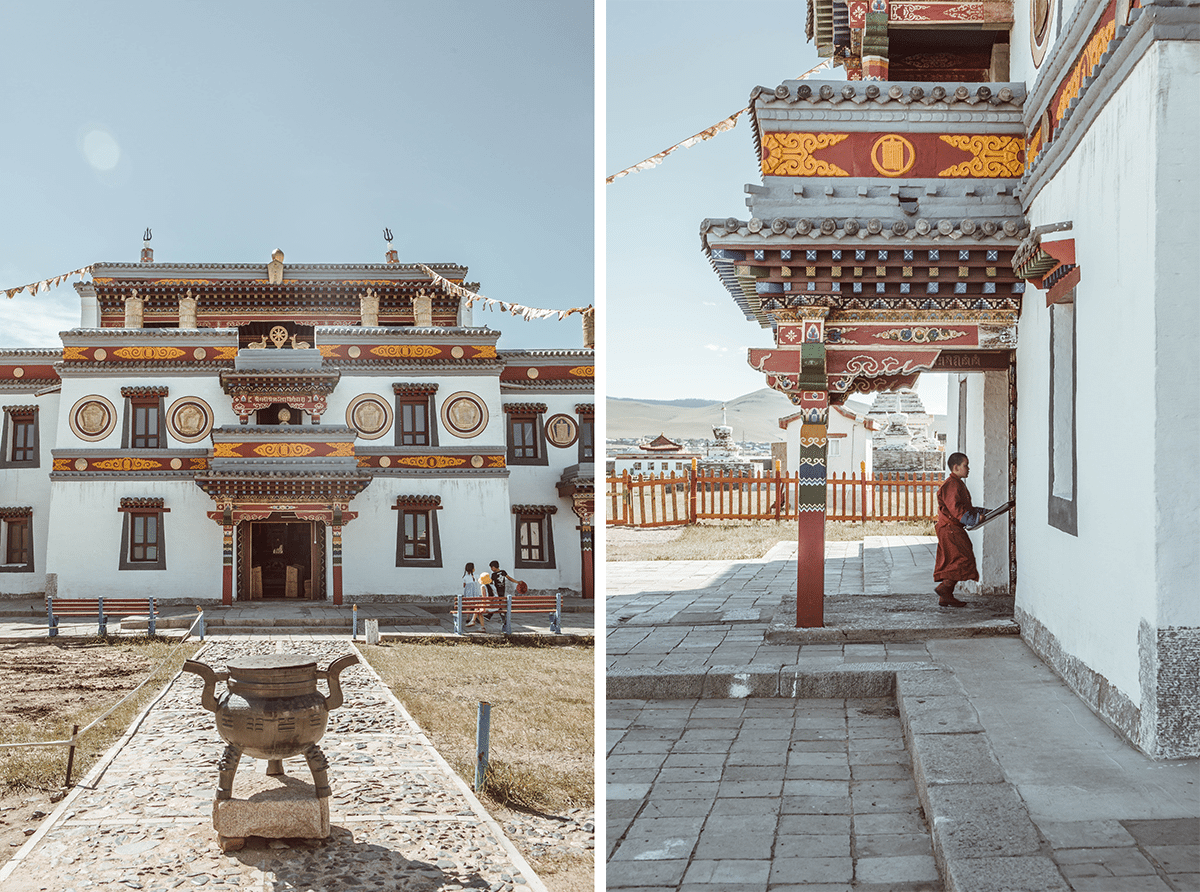
Tucked on the back side of Bogd Khan Mountain, a UNESCO-recognized site widely considered the first protected nature reserve in the world, sits Manzushir Monastery, one of those long-forgotten places that deserves to be back on people’s radars.
Bogd Khan Mountain has been protected in some form since as early as the 13th century, when it was declared sacred and off-limits to hunting and logging, making it one of the oldest continuously protected natural areas anywhere on earth, predating Yellowstone by centuries. Its slopes are covered in dense pine and birch forest, and the mountain has long held deep spiritual significance for Mongolians, believed to be the home of protective guardian spirits watching over Ulaanbaatar.
Manzushir Monastery itself was once one of the largest and most important monastic complexes in the country, home to hundreds of monks at its peak in the 18th and 19th centuries. Its rich history is part of what makes it significant to Mongolians, but its more recent past is what makes it a place that should never be forgotten. Like so many monasteries across Mongolia, Manzushir was largely destroyed during the political purges of the 1930s, when the communist government systematically targeted religious institutions across the country. What remains today are scattered stone foundations, a small museum, and a handful of restored structures, quiet reminders of both what was lost and what has survived.
There isn’t much left of the original complex today, but that’s exactly what makes it worth the trip. Wandering the ruins is a great excuse to get out into the Mongolian countryside, and it’s the perfect spot to fit in one last horseback ride before the season winds down.
Spend the day out here with a local guide who can take you beyond the history and into modern politics, and how the country’s turbulent 20th century shaped the Mongolia you see today.
CLICK HERE: Great Day Tour from Ulaanbaatar to the UNESCO Bogd Khan Mountain & Manzushir Monastery →


12. Day Tour to Mongolia’s Weirdest Monastery, Aglag Buteel Temple
Aglag Buteel Temple is not your typical Buddhist monastery, and that’s exactly what makes it worth visiting. It’s one of my favorite places to visit, not just for its secluded location, but because the mountainside stone carvings are always mesmerizing, with larger than life sculptures of Buddhist deities and mythical creatures emerging directly from the rock face itself.
The monastery sits about 84 kilometers northwest of Ulaanbaatar in Töv Province, making it an easy same-day trip from the city. Its roots go back to the 18th century, though like so many religious sites in Mongolia, it was heavily damaged during the Soviet era, when Buddhist institutions across the country were deliberately targeted. What stands today is largely the result of decades of rebuilding, led by Buddhist lama and artist Purevbat, whose vision transformed the site into what it is now: stone carvings integrated into the natural rock, small temples tucked along the mountaintop, and quiet meditation spaces built into the landscape itself. Rather than a temple simply placed on a mountain, the mountain itself became part of the temple.
Aglag is still an active site of worship and meditation today, not a museum or a preserved relic, and it tends to draw far fewer visitors than the more well known temples near Ulaanbaatar. Wandering through it feels unhurried and quiet, which only adds to the feeling that you’ve found somewhere genuinely off the beaten path.
CLICK HERE: Weirdest Day Tour from Ulaanbaatar, Visit Aglag Buteel Temple for a Day →


Author: Breanna Wilson
Hi! Sain uu! I’m Breanna, an American travel writer and adventurer living in Ulaanbaatar, Mongolia for more than 9 years. I’ve written for and been featured in Condé Nast Traveler, CNN, Forbes, and the New York Times, among others. Read more of my Mongolia travel articles here.
Are you visiting Mongolia for the first-time and stuck in the planning process?
Get my first-time visitor’s essential planning guide, Into the Steppe, now! Inside you’ll find everything you need to research, plan, and book the ultimate Mongolia adventure.
This Mongolia digital travel guide costs $9.99 and will help you answer the questions:
- When to visit and for how long
- Which region to visit and sample itineraries
- How to get there (including domestic flight info)
- Expert packing tips with gear recommendations
- Accommodations explained (hotel vs ger camp vs homestay)
- And who to book your trip with!


Join our Private MIM Community on Facebook
Proudly Based in Ulaanbaatar, Mongolia
© 2026 Meanwhile in Mongolia