Search

Southern Mongolia

It’s often hard to understand which region to visit in Mongolia, and when. It’s even harder to decide what to do, and how to plan the best itinerary, when you do finally go! Below find detailed information on the southern region (Omnogovi, Dundgovi, Govisumber, and Dornogovi), as well as day-to-day itineraries and other important things to know.

Southern Mongolia and the Gobi Desert area are hands down one of the best places to travel within Mongolia. Especially for first-time visitors. Dramatic landscapes, two-humped Bactrian camels, and the locals who call it home, make for one of the most dynamic and immersive regions to explore in the country. There’s a reason the Gobi loop is one of the most traveled routes in all of Mongolia.

Best for

  • Landscape, Wildlife, & Portrait Photography
  • Self-driving & Motorcycle Tours
  • Family Tours
  • Wildlife Tours
  • Archeological & Paleontology Research
  • Ten Thousand Camel Festival

Seasonal Temperatures & When to Visit

Southern Mongolia’s climate is defined by the Gobi Desert: arid, sun-baked, and swinging between scorching summer days and bitterly cold winter nights. Unlike the wetter, wind-battered steppe of the east, the Gobi’s defining trait is dryness — almost no rain or snow falls year-round, and the air is so thin and clear that temperature swings between day and night are extreme even by Mongolian standards.

In Dalanzadgad (Omnogovi), the provincial capital and gateway to the Gobi, temperatures across the year typically range from −7°C (19°F) to 28°C (82°F) for daytime highs, with winter nights dropping to around −19°C to −21°C (−2°F to −6°F). Cold snaps can push lows below −24°C (−11°F), while summer days have topped 28-30°C (82-86°F) at the peak of the season.

Winter (Dec – Feb)

January is the coldest month, with an average high of just 18°F (−8°C) and an average low around −6°F (−21°C). Snowfall is minimal, the Gobi stays dry even in deep winter, but the cold is relentless and skies are mostly clear. December through February reliably sees freezing days and sub-zero nights across the region.

Spring (Mar – May)

March still averages a high of only 39°F (4°C) with lows near 15°F (−9°C), but warming is rapid: April highs climb to around 56°F (14°C), and by May highs reach 70°F (21°C) with lows around 45°F (7°C). Spring is the windiest stretch of the year in the Gobi, with average wind speeds peaking in April and May, dust storms are common and can reduce visibility with little warning.

Summer (June – Aug)

July is the peak, with an average high of 83°F (28°C) and an average low of 58°F (15°C), noticeably milder overnight than the eastern steppe thanks to the desert’s dry air and higher elevation (Dalanzadgad sits around 1,470 m / 4,800 ft). July and August are also the only months with meaningful rainfall, though “meaningful” in the Gobi still means just a handful of light showers. Daytime heat can feel intense under the strong, unfiltered sun even when the thermometer reads only the high 70s°F.

Fall (Sept – Nov)

September stays pleasant, with highs around 68°F (20°C) and lows near 41°F (5°C), but the drop-off afterward is steep: October highs fall to around 54°F (12°C), and by November daytime highs are down to roughly 36°F (2°C) with nights well below freezing. As in spring, the day-to-night swing in September and October can exceed 13°C (23°F), so layering matters even on warm-feeling afternoons.

Summer Highlights

  • Gobi Museum of Nature and History
  • Sand Sculpture Festival
  • Bactrian Camel Riding
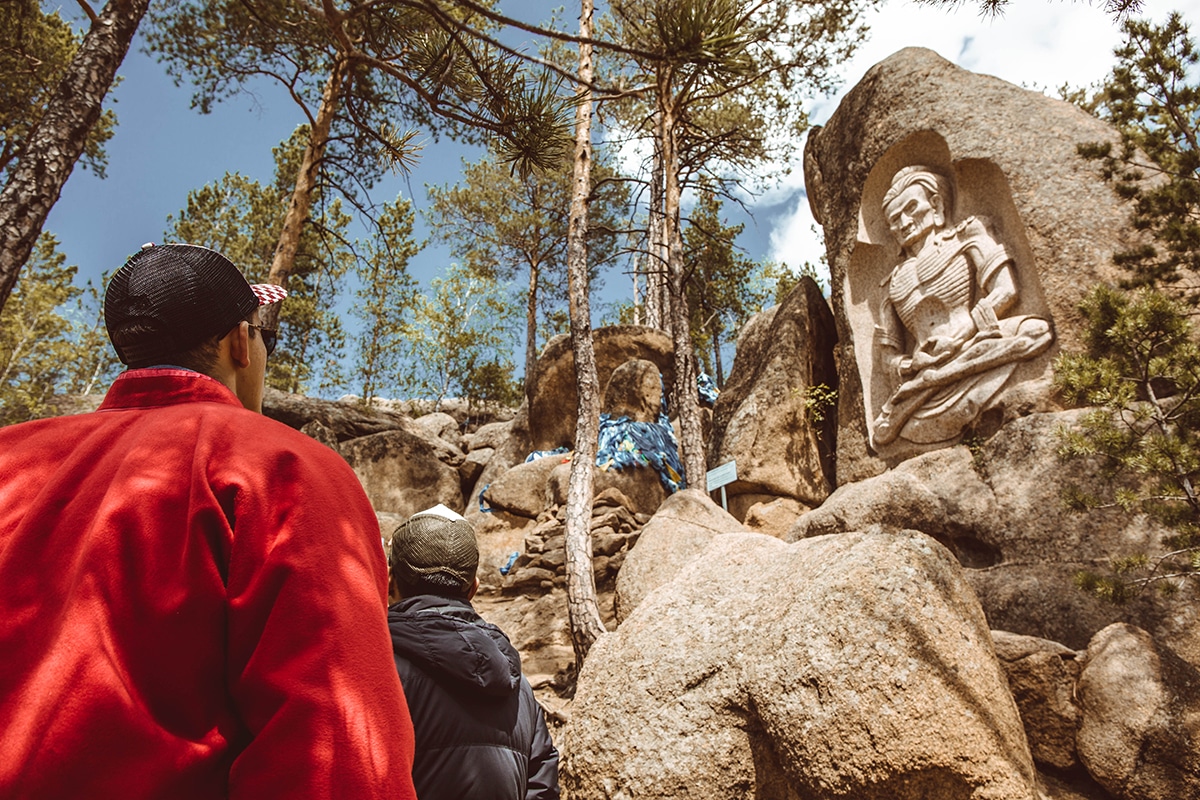
  • Shambala Energy Center
  • Demchogliin Hiid
  • Petroglyphs
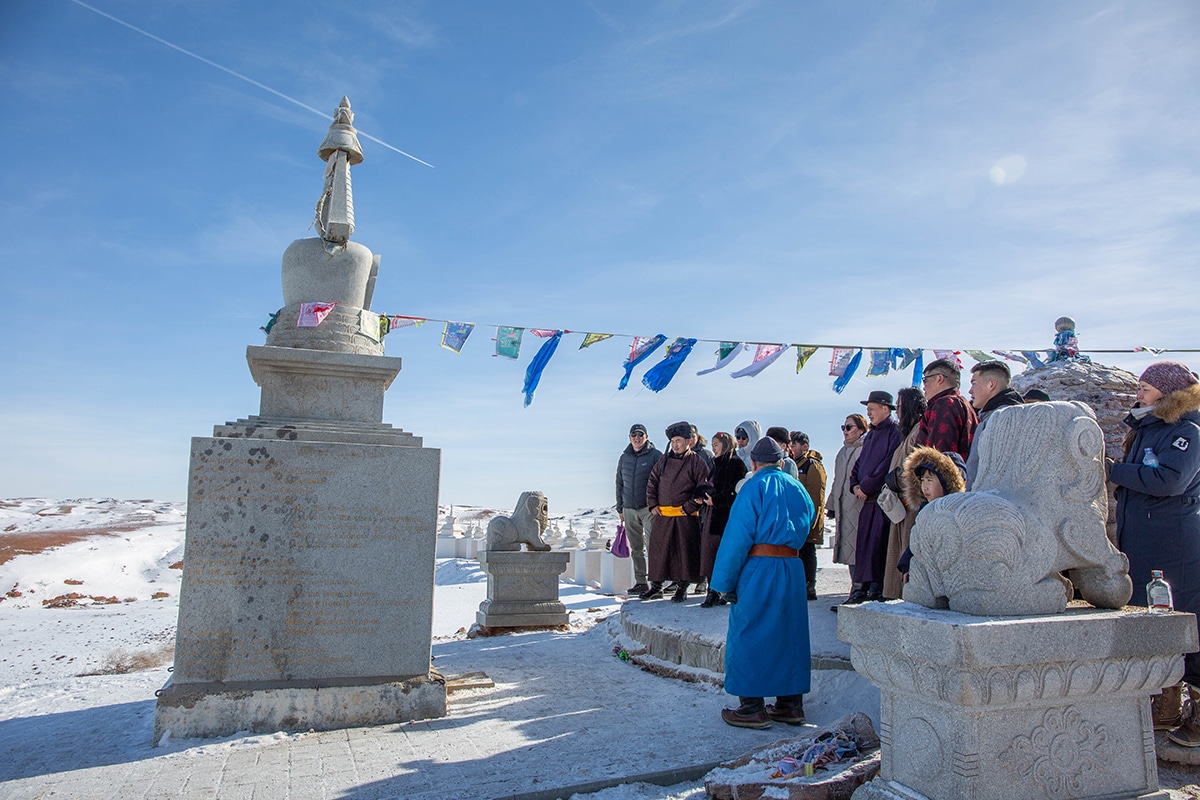
  • Tsaagan Suvarga (White Stupa)
  • Yolin Am Valley
  • Khongoryn Els
  • Bayanzag (Flaming Cliffs)
  • Khermen Tsav
  • Nemegt Uul
  • Shar Tsav

Winter Highlights

  • Snow Leopard Tracking & Conservation
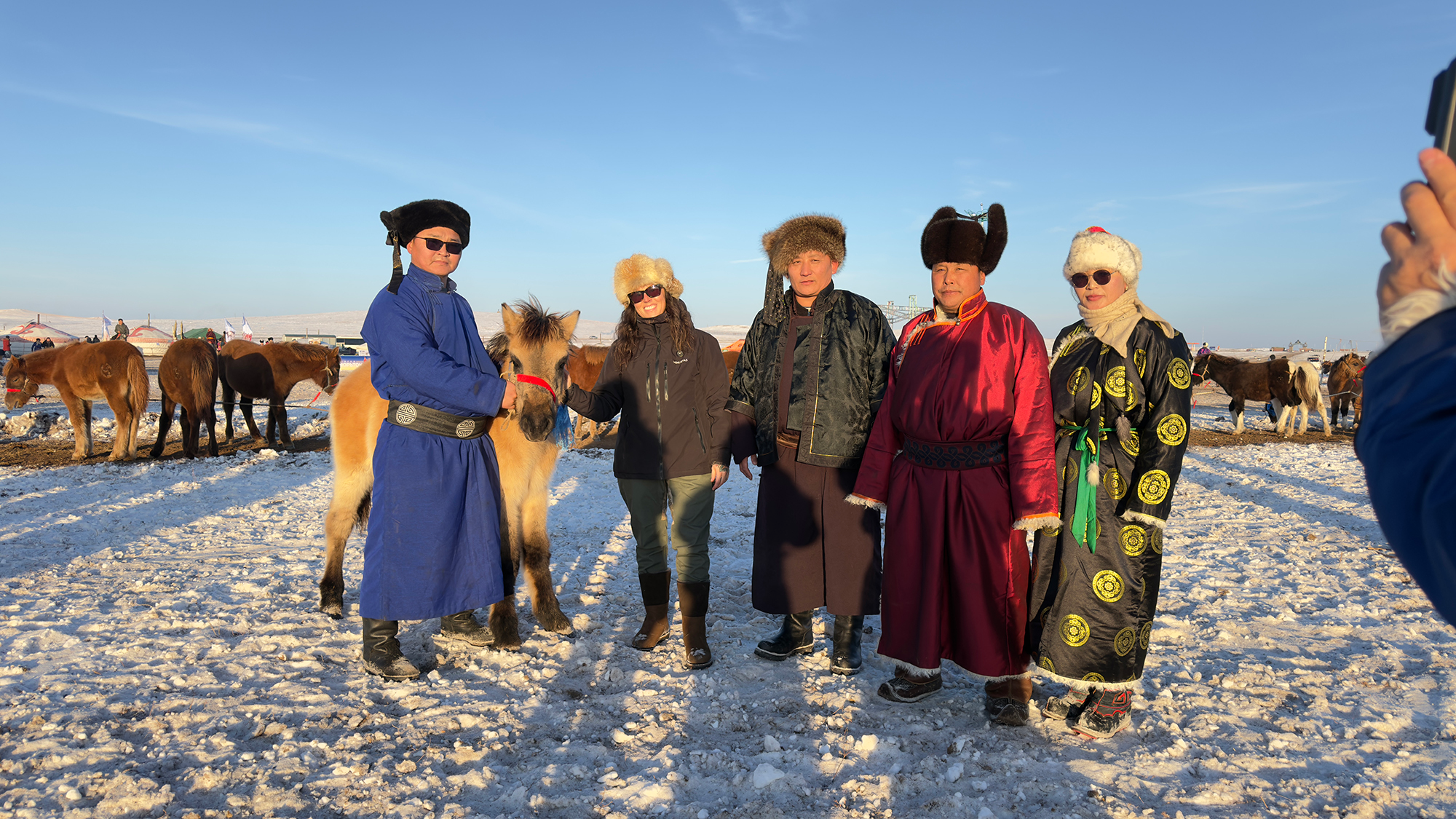
  • Ten Thousand Camel Festival
  • Nomadic Camel Family Homestay
  • Train to Sainshand
  • Shambala Energy Center Cherry Blossoms
  • Tsagaan Sar at Khamariin Hiid Monastery

How to get there

🚌 By Bus (Public / State Bus)

Intercity buses to southern provinces depart from Tenger Plaza in Ulaanbaatar, not Dragon Center (that terminal serves western and northern routes only). A bus to Dalanzadgad (gateway to the Gobi Desert) costs around MNT 35,000–55,000 (~$11–17) and takes roughly 7.5–8 hours.

You can buy tickets at the bus terminal or online at eticket.transdep.mn. Buses stop periodically at small towns along the way for short breaks.

What to expect: Service to Dalanzadgad runs only a couple of times a week (not daily), so check the schedule before building your itinerary around it. Smaller minivans cover some of the more remote southern sums, but with less regularity than on northern routes.

🚐 Shared Minivan

Private minivans wait at local markets and depart when full, this is the most common way locals travel between southern towns. It’s cheaper than hiring a private car, but you may wait hours for enough passengers to fill the van.

What to expect: No fixed schedule, no booking system, just show up at the market/bus area early in the morning and find the van heading your direction.

🚙 Private Car/Driver (Recommended for Real Exploration)

You can hire a driver and vehicle for around $80/day (car + driver), but factoring in the driver’s accommodation and entrance fees you cover, expect roughly $120/day total.

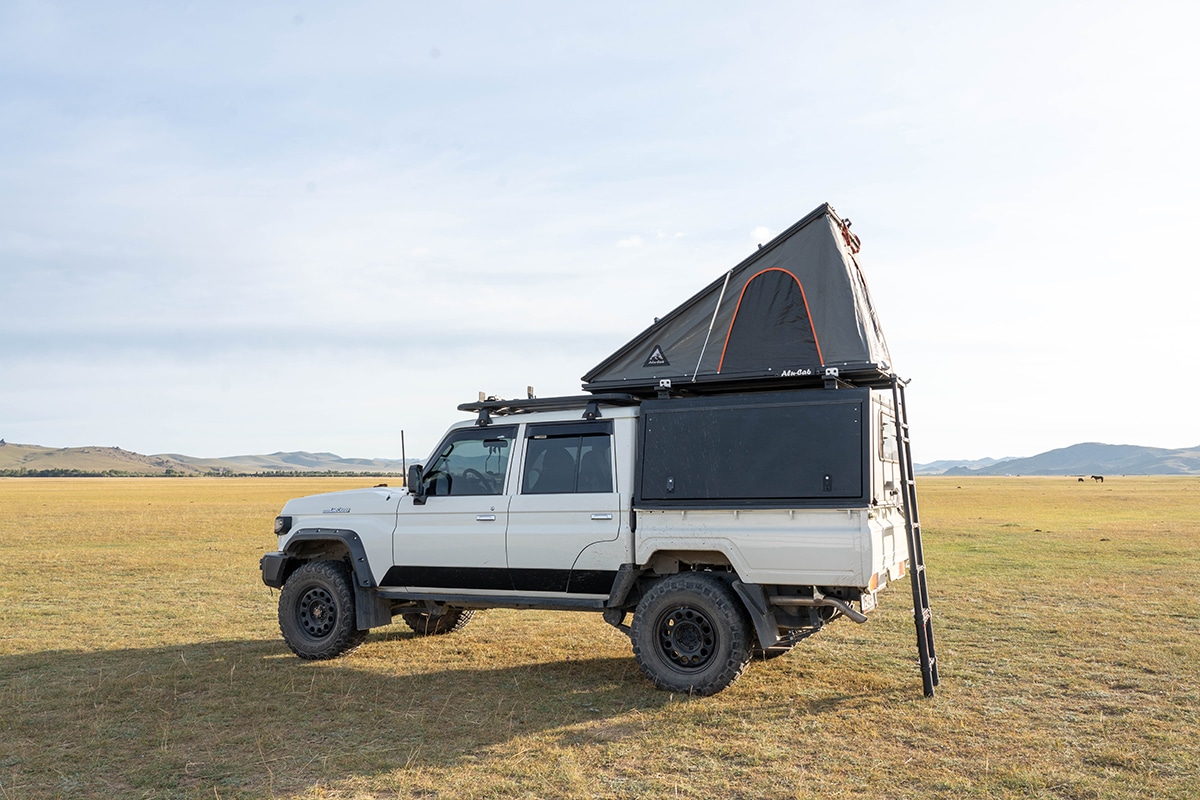
A 4WD is essential, the southern Gobi has long stretches of unpaved track between major sights like Yolyn Am, the Flaming Cliffs, and Khongoryn Els dunes. Vehicles of choice include Toyota Land Cruisers (more comfortable) and the Russian-made UAZ-452 (easier to fix roadside, but prone to breakdowns).

How to book: Arrange through a Ulaanbaatar guesthouse, local tour operator, or ask at Tenger Plaza. Book well in advance. Mongolia’s travel season is short, and vehicles book out fast, especially in July and August, the peak season for Gobi travel.

✈️ Domestic Flight

MIAT flies Ulaanbaatar–Dalanzadgad year-round, with service stepping up to about 4 flights a week (Wed/Fri/Sat/Sun) in the summer season, plus occasional extra flights at the height of July. One-way fares run roughly $100–160. Flying cuts what would be a 7.5–8 hour drive or bus ride down to about 1 hour 5 minutes.

🚂 Train (Not a Practical Option Here)

The Trans-Mongolian rail line runs well east of the Gobi’s main tourist sights, through Sainshand and Zamiin-Üüd, not through Dalanzadgad or Ömnögovi. Reaching Dalanzadgad by train means a long detour — combining a train to Sainshand with a 500+ km onward drive — so it’s rarely worth it. Bus, flight, or private car are the realistic options for the south.

Key Things to Know

Even if you fly or bus into Dalanzadgad, you’ll still need a car and driver to reach the actual sights, the town itself is just a gateway.

Roads in the southern Gobi are mostly unpaved tracks across open desert; routes can shift season to season as drivers pick their own way around washouts or soft sand.

Always carry 3–5 days’ worth of food and water, a tent, and warm sleeping bags when traveling remotely, distances between gers, wells, and fuel stops can be large.

Cell coverage is spotty outside of Dalanzadgad and the larger sums. Bring a physical map and compass as backup.

Bottom line: Fly to Dalanzadgad to save a full day of driving, or bus it if you’re budget-conscious and flexible on dates, then hire a private driver with 4WD once you’re there for everything beyond the town itself.