It’s often hard to understand which region to visit in Mongolia, and when. It’s even harder to decide what to do, and how to plan the best itinerary, when you do finally go! Below find detailed information on the northern region (Khuvsgul, Bulgan, Orkhon, Selenge, and Darkhan-Uul), as well as day-to-day itineraries and other important things to know.
If the Gobi is Mongolia’s most dramatic landscape, Khuvsgul Lake is its most quietly breathtaking.
Known as the “Blue Pearl of Mongolia,” this freshwater lake sits near the Russian border and is
surrounded by pine forests, rolling mountains, and some of the most serene scenery in the entire country.
It’s a favorite among hikers, horse riders, and anyone who wants to slow down and actually
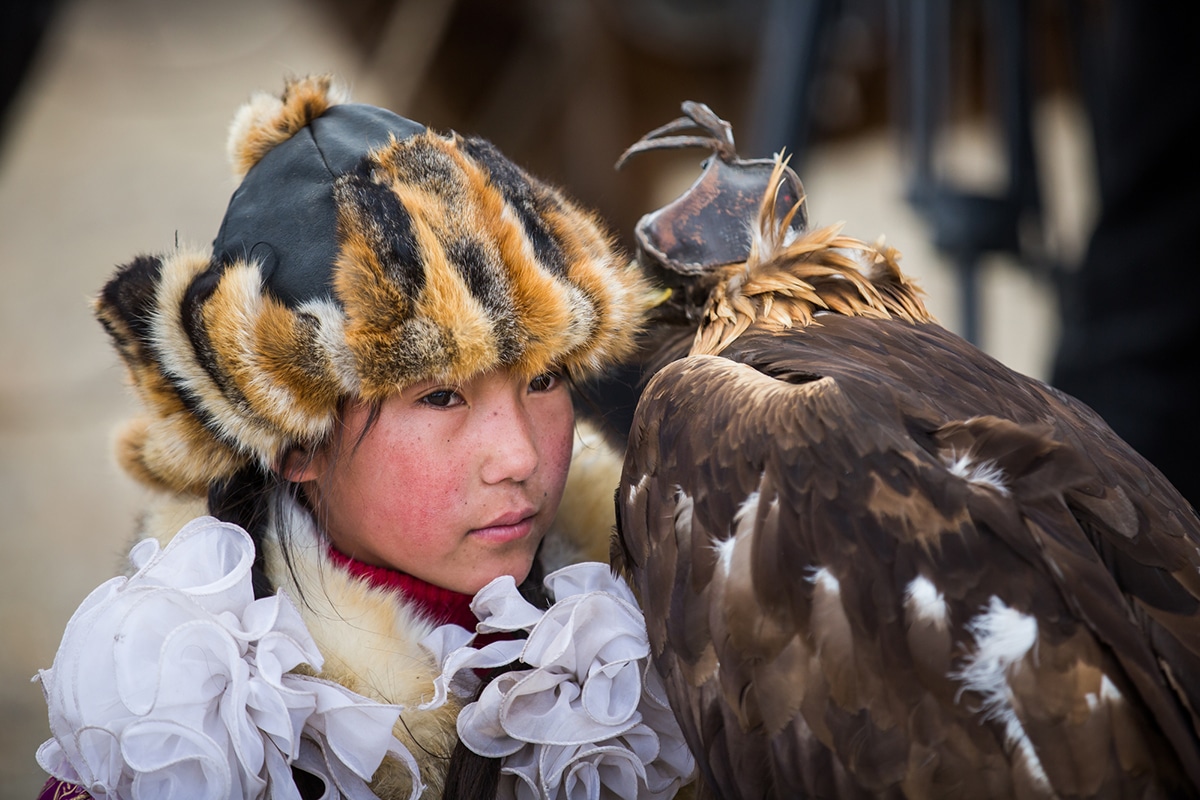
breathe for a few days, especially with locals. The Tsaatan reindeer herders, one of the last nomadic reindeer-herding communities in the world, also live in this region.
The coldest month is January, with an average high of just 3°F (−16°C) and an average low of −17°F (−27°C). In the Khuvsgul and Khentii mountain regions, January temperatures can reach −30°C to −34°C (−22°F to −29°F).
Spring (Mar – May)
March highs average around 28°F (−2°C) with lows near 2°F (−17°C), while by May the average high climbs to 61°F (16°C) and lows reach 37°F (3°C). Spring is also the windiest, most unpredictable season across Mongolia.
Summer (June – Aug)
July is the warmest month, with an average high of 74°F (23°C) and an average low of 52°F (11°C). In the Khuvsgul and Khentii mountain ranges specifically, summer daytime highs typically reach 15–22°C (59–72°F) — noticeably cooler than central Mongolia or the Gobi. Nights always warrant a jacket. On the shores of Lake Khuvsgul itself (at 1,650m elevation), July highs are around 20°C (68°F) with lows near 7°C (45°F) — even chillier.
Fall (Sept – Nov)
September averages a high of 59°F (15°C) and a low of 33°F (1°C), while by November highs drop to 21°F (−6°C) and lows to 0°F (−18°C). By late September, night temperatures in western and northern Mongolia can already reach −10°C (14°F).
Intercity buses depart from Dragon Center in Ulaanbaatar for western and northern provinces. Ticket prices range from roughly MNT 20,000–130,000 (about USD $6–37) depending on distance. For example, a bus to Murun (gateway to Khuvsgul Lake) costs around MNT 44,000–60,000 (~$13–17).
You can buy tickets at the bus terminal or online at eticket.transdep.mn. Buses stop every 2–3 hours for short breaks at provincial centers.
What to expect: Most provincial capitals are connected to Ulaanbaatar by large buses seating up to 40 people. There are daily services between major hubs, while smaller minivans serve more remote destinations. Schedules are generally reliable but flexibility is low — you go when the bus goes, not when you want.
🚐 Shared Minivan
Private minivans wait at local markets and depart when full — this is the most common way locals travel between towns. It’s cheaper than hiring a private car, but you may wait hours for enough passengers to fill the van.
What to expect: No fixed schedule, no booking system, just show up at the market/bus area early in the morning and find the van heading your direction.
🚙 Private Car/Driver (Recommended for Real Exploration)
You can hire a driver and vehicle for around $80/day (car + driver), but factoring in the driver’s accommodation and entrance fees you cover, expect roughly $120/day total.
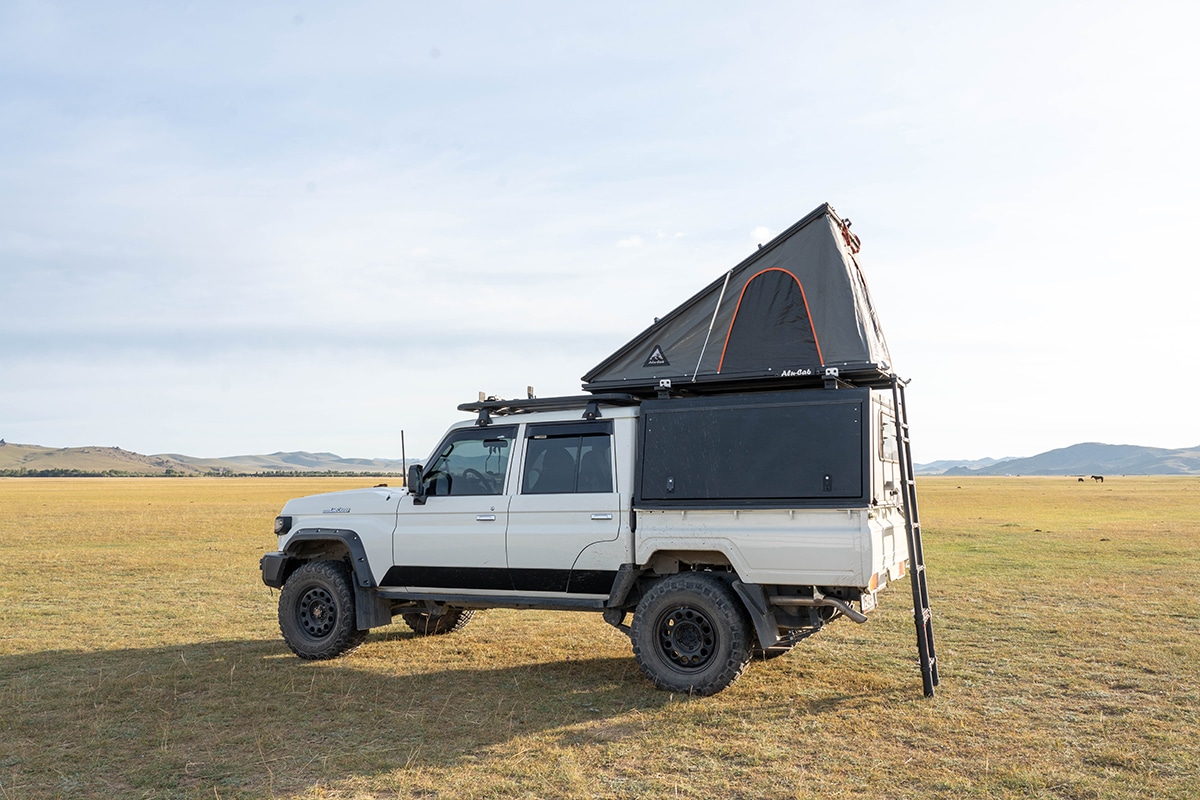
A 4WD is essential unless you’re only visiting sights connected to Ulaanbaatar by paved road. Vehicles of choice include Toyota Land Cruisers (more comfortable) and the Russian-made UAZ-452 (easier to fix roadside, but prone to breakdowns).
How to book: Arrange through a Ulaanbaatar guesthouse, local tour operator, or ask at Dragon Center. Book well in advance. Mongolia’s travel season is short (snow can hit by September, rarely thaws before April), and vehicles book out fast.
✈️ Domestic Flight
MIAT and AeroMongolia offer scheduled domestic flights year-round. In peak season (June–August), charter and additional flights are added — check with local travel agencies for these. Flying to Mörön cuts what would be a 12–14 hour drive down to about 1.5 hours.
🚂 Train (Partial Option)
The train network mainly runs along the Trans-Mongolian line. Ulaanbaatar to Darkhan costs around MNT 10,000–15,000 (~$3–4). Tickets can be bought at stations or online via the UBTS website. Trains don’t reach most northern destinations, so you’d still need a car from any train stop.
Key Things to Know
Even if you take a bus to a provincial center, you’ll still need a car and driver to reach the actual sights in the countryside.
Roads in northern Mongolia often get damaged in August due to heavy rainfall.
Always carry 3–5 days’ worth of food and water, a tent, and warm sleeping bags when traveling remotely.
Cell coverage is spotty. Bring a physical map and compass as backup.
Bottom line: Bus to get to the aimag capital cheaply; hire a private driver+4WD once you’re there for anything off the main road.